A Gentle Path to Flexibility and Mobility
Build flexibility and mobility the gentle way with mindful movement, breath-led stretches, and simple routines that reduce stiffness and support joint health.
A Soft Beginning
Start your journey toward better flexibility and mobility with a mindset of patience and curiosity. A gentle path respects your current range of motion, nervous system, and energy levels, allowing tissues to adapt without overwhelm. Begin with warm, rhythmic movements that invite circulation: slow arm circles, ankle rolls, and easy spinal waves. Pair them with relaxed breath to reduce unnecessary tension and improve awareness. Focus on how joints glide, how the fascia responds, and where you notice subtle resistance rather than forcing a stretch. Set an intention of consistency over intensity; small, regular sessions signal safety to your body. Use comfortable, pain-free motions, stopping well before sharp or pinching sensations. Over time, gentle exposure builds resilience, enhances joint health, and nurtures confident movement. Picture this as a daily practice of greeting your body: a few mindful minutes to wake up hips, shoulders, and spine, anchoring attention in sensation. With this foundation, progress feels sustainable, enjoyable, and refreshingly calm.
Breath as the Guide
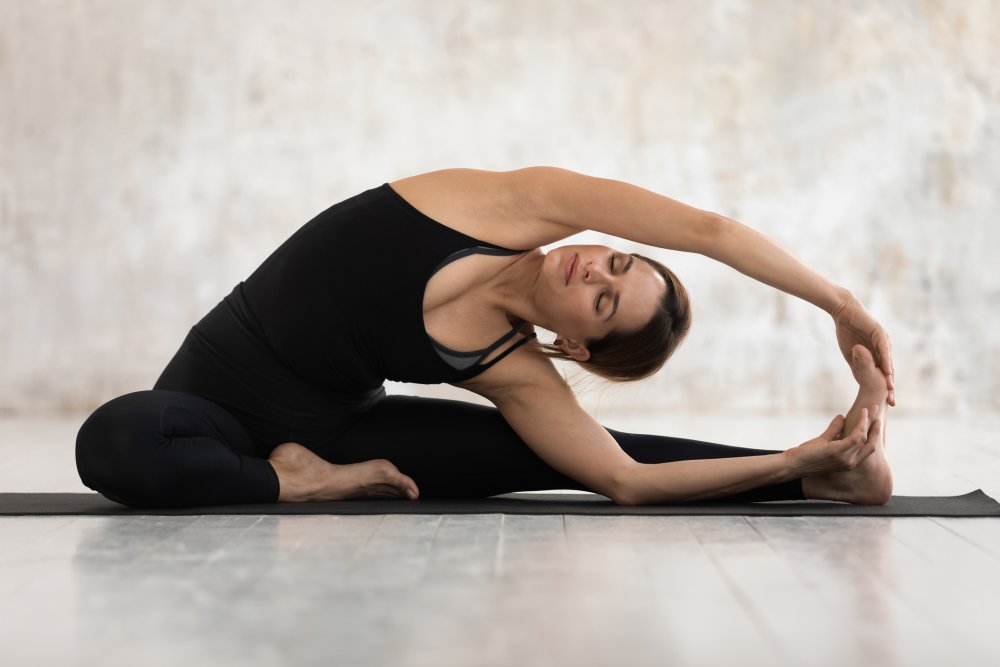
Your breath is an internal coach, shaping tempo, tension, and awareness. Try soft diaphragmatic breathing that expands the ribcage in all directions, creating steady intra-abdominal pressure and a calm nervous system. Inhale to invite space; exhale to invite ease. Match breathing with slow spinal mobility—gentle flexion, extension, rotation—so segments of the spine articulate smoothly. Notice how the ribcage and pelvis coordinate, and how breathing improves posture and alignment without force. A brief body scan helps identify areas that crave attention, such as tight hip flexors or a sluggish upper back. Use longer exhales to settle bracing patterns in the neck and shoulders. When a stretch feels sticky, pause, breathe, and soften; when a movement feels free, savor it. This mindful pacing refines proprioception and invites deeper relaxation, turning each session into a conversation rather than a test. Over days and weeks, breath-led sessions reshape habits from the inside out, cultivating graceful, resilient movement.
Progress Without Pushing
Progress thrives on gentle structure. Begin with dynamic mobility to prepare tissues, then add active stretching that engages the muscles around each joint. Reserve static stretching for later in the session, holding only to mild, sustainable sensations. Explore controlled joint circles to nourish cartilage and refine neuromuscular control, staying slow and smooth through every angle. Think of progression as widening a comfortable window: slightly larger arcs, slightly longer holds, slightly more coordination—never a leap that triggers guarding. Emphasize eccentric strength in extended positions to make new range of motion usable, not just achievable. If you encounter plateaus, vary planes of motion, leverage mild isometrics, or change the tempo to spark adaptation. Keep notes on what feels open or restricted to guide future practice. When you respect recovery and stay attentive to quality, gains compound. The result is flexible strength—mobility you can rely on for everyday tasks, athletic play, and effortless posture.
Movement Woven Into the Day
Sustained improvement comes from sprinkling micro-movements throughout daily life. Break up long sitting with shoulder rolls, gentle hip CARs, and ankle pumps while standing or waiting. Adjust your environment to promote better ergonomics: seat height that supports a neutral pelvis, screen at eye level, feet grounded. Use habit stacking—reach overhead before opening a cabinet, perform a slow squat while picking something up, do calf raises after brushing your teeth. Include gait practice with intentional walking: relaxed arms, soft foot strikes, and a responsive ribcage. Add balance play by standing on one leg during routine tasks, letting tiny stabilizers wake up. Explore self-massage with a soft ball along calves, glutes, and upper back to hydrate fascia and ease stiffness. Keep movements friendly and repeatable so momentum sticks. By turning routine moments into nourishing motion, you broaden your baseline mobility, reduce cumulative tension, and create a lifestyle that continuously supports your health.
Recover, Reflect, Repeat
Recovery closes the loop on effective practice. Prioritize sleep, gentle hydration, and steady nutrition to support tissue remodeling and nervous system balance. After sessions, favor light breathing and easy walking to downshift and integrate new ranges. Learn the difference between productive discomfort and pain; back off when sharp signals appear, and honor a rest day when fatigue lingers. Reflection accelerates learning: jot quick notes about what felt smooth, what felt sticky, and which cues unlocked freedom. Revisit those cues in your next session to anchor consistency. Cross-train with complementary activities—slow strength for end-range control, playful coordination drills, or mindful balance work—to round out your movement ecosystem. Celebrate small wins, like a freer turn of the neck or a deeper, easier squat, as proof that gentle patience works. Over time, this cycle of recover, reflect, and repeat transforms flexibility from a checkbox into a living practice—durable, adaptable, and deeply supportive of whole-body health.