Create a Calm Home: Styling Spaces for Everyday Serenity
Design a soothing sanctuary with light, flow, and mindful details—simple choices that calm your senses and make every day feel more restful.
Foundation of Calm — A peaceful home starts with intention. Before rearranging furniture or shopping for decor, clarify how you want each room to feel and function. This vision will guide choices and prevent visual noise from creeping back in. Begin by decluttering at a humane pace, removing what no longer serves your daily life, then assign every remaining item a clear home. Prioritize sensory basics: gentle light, open airflow, and surfaces that invite touch without demanding fuss. Create an easy reset routine at natural transition points—after breakfast, before dinner, and before bed—so your space regularly returns to equilibrium. The entryway deserves special care: a simple tray for keys, a hook for bags, and a small landing shelf keep stress from crossing your threshold. This foundation is not about perfection; it is about consistency, comfort, and clarity, so your space reliably supports you on busy days and quietly celebrates you on restful ones.
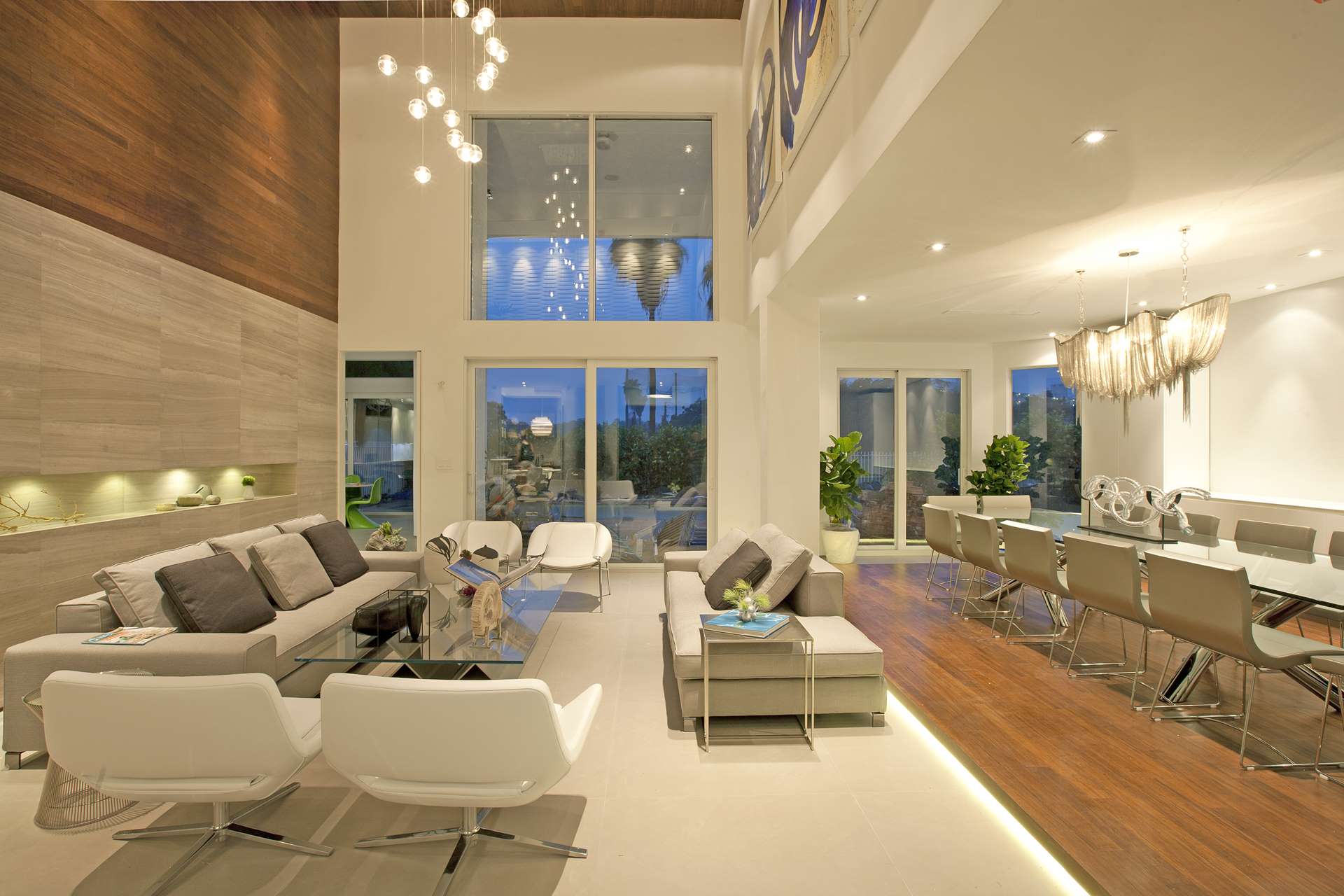
Color, Texture, and Material Harmony — Calm thrives in a palette that whispers instead of shouts. Consider color psychology: soft neutrals, muted earth tones, and gentle pastels often soothe, while high-contrast schemes can be reserved for small accents that add vitality without overstimulation. Balance smooth and tactile surfaces—pair linen with glazed ceramics, matte walls with warm wood—to create sensory richness that remains grounded. Limit dominant patterns, then echo them in smaller notes: a subtle stripe repeated in a throw, a cushion, or a wall basket. Seek natural materials like cotton, wool, rattan, and stone to anchor rooms with a timeless feel. Notice visual weight; distribute dark or heavy items around the space to avoid one dense corner. Rotate lightweight textiles with the seasons, swapping heavier weaves for breezier ones to reflect the rhythms of nature. The aim is harmony, where color and texture quietly support well-being instead of competing for attention.
Light, Shadow, and Atmosphere — Brightness alone does not create serenity; it is the dance of light and shadow that sets the mood. Start with layered lighting: ambient illumination for overall glow, task lamps for focused activities, and accent lights to highlight art or plants. Use warm-temperature bulbs for evening softness, and keep a few portable lamps to shift the atmosphere instantly. During the day, invite in daylight with sheer curtains that diffuse glare while preserving privacy. Position mirrors thoughtfully to bounce light deeper into a room without producing harsh hotspots. Consider dimmers to modulate intensity and establish a gentle wind-down ritual as night approaches. Avoid overhead-only setups that flatten features and strain eyes. Let certain corners remain intentionally quiet—shadowed nooks can be remarkably restorative. Treat scent and sound as companions to light; a calm soundtrack and a subtle aroma transform illumination into ambience that signals your nervous system to soften.
Flow, Layout, and Negative Space — The way you arrange a room influences how your body and mind move through it. Honor negative space as much as furniture; breathing room between pieces fosters calm and makes everyday routines feel effortless. Start by establishing a clear focal point—perhaps a window, a fireplace, or a thoughtfully styled bookshelf—then align seating and rugs to guide sightlines. Create gentle zones for reading, conversation, and work with rugs, low shelving, and lighting changes rather than bulky dividers. Ensure circulation paths are wide and intuitive so you never dodge furniture or shuffle belongings to proceed. Anchor key pieces—sofa, bed, dining table—with solid, stable shapes; float lighter elements like side tables and stools. Curate surfaces with restraint: one plant, one candle, one book can be more powerful than a crowded vignette. This mindful orchestration of layout builds ease, turning everyday movement into a quiet, graceful flow.
Sound and Scent as Quiet Companions — Serenity is multi-sensory. For acoustic comfort, layer soft materials that absorb echo: thick rugs, fabric drapes, upholstered seating, even full bookshelves that act as subtle baffles. Seal door gaps and add felt pads under chair legs to reduce scraping sounds. Embrace a gentle soundscape—soft music, nature sounds, or the hush of a small fan—to mask jarring noise and signal a calmer pace. Pair this with restrained scent design. Choose one or two signature aromas, like herbaceous, citrus, or woody notes, and use them sparingly through candles, diffusers, or fresh greenery. Cycle scents to match your activity: bright and clean during chores, warm and grounding for evenings. Prioritize fresh air; open windows when possible to reset the atmosphere and reduce stale odor buildup. Together, sound and scent weave invisible comfort, helping your home feel steady, familiar, and deeply welcoming without overwhelming your senses.
Rituals, Routines, and Gentle Organization — Calm is sustained by habits that are kind to future you. Establish small micro-rituals that bookend your day: a two-minute tidy before leaving, a five-minute reset before bed, a brief breath at the entry to shed outside stress. Keep organization humane with open-and-closed storage: attractive baskets and trays for daily items, closed cabinets for less-used things, and a dedicated drop zone so clutter has an easy home. Label sparingly for clarity without visual clutter. Use vertical space for hooks and shelves to free surfaces for breathing room. Consider a weekly rhythm—a laundry day, a plant-watering moment, a desk refresh—to prevent overwhelm. When everything has a place, cleaning becomes a calming practice rather than a chore. Over time, these routines transform your environment into a supportive partner, making order feel effortless and allowing your energy to shift from managing stuff to savoring life.
Invite Nature In — Humans relax in the presence of living things. Incorporate biophilic design with houseplants that suit your light and routine—low-maintenance species for beginners, textural varieties for interest, and a larger statement plant to anchor a corner. Pair greenery with natural imagery, stone bowls, or seashells to bring the outdoors inside. Position seating to capture views of sky or trees, and keep window sills clear so daylight can wash the room. Consider a small herb pot in the kitchen to infuse cooking with freshness and scent. Use water thoughtfully—perhaps the gentle sound of a tabletop bubbler—to add a calming auditory layer. Balance the living with the lasting: wood, clay, and linen create a grounded base that complements plants without competing. Nature is not decor alone; it's a daily relationship that invites presence, slows your pace, and makes every room feel more alive and more at ease.
Sustainable Calm and Ongoing Care — Serenity deepens when choices are intentional and enduring. Practice mindful consumption: bring in fewer, better pieces that align with your values, and care for what you own so it lasts. A simple one-in, one-out guideline keeps accumulation in check. Opt for repair, refresh, or repurpose before replacing—slipcovers, new hardware, or a gentle sand-and-oil can revive tired favorites and add soulful patina. Create a light, realistic cleaning cadence that matches your lifestyle; it's better to do a little consistently than a lot rarely. Keep a donation basket accessible to make letting go easy. Revisit layouts as needs evolve—calm spaces are flexible, not fixed. Finally, treat hospitality as an extension of serenity: set an unhurried tone, offer soft lighting and warm textures, and leave room for conversation to unfold. A sustainably calm home feels lived-in, loved, and quietly resilient over time.