Cultural Etiquette Tips for Respectful Travelers
Learn to greet, dress, dine, and communicate with cultural sensitivity. Practical etiquette tips help you connect respectfully and avoid common missteps.
Mindful greetings and first impressions. First contact sets the tone for every journey. Learn a simple local greeting, a sincere thank you, and a respectful way to address people with appropriate titles. Notice how locals manage eye contact—steady gaze can signal confidence in some places, while softer focus shows humility elsewhere. Respect personal space: some cultures embrace warmly, others prefer a measured distance and a calm handshake or a slight bow. Modulate your voice volume to match the room; loud enthusiasm can be mistaken for impatience. When introduced, wait to be invited to use first names, and consider offering or receiving items with your right hand or with two hands where customary. Read the room before initiating a cheek kiss, hug, or selfie; mirroring local behavior is a reliable guide. If you misstep, a brief apology and a friendly smile repair most moments. Above all, lead with curiosity, humility, and patience, allowing hosts to cue you on what feels welcoming.
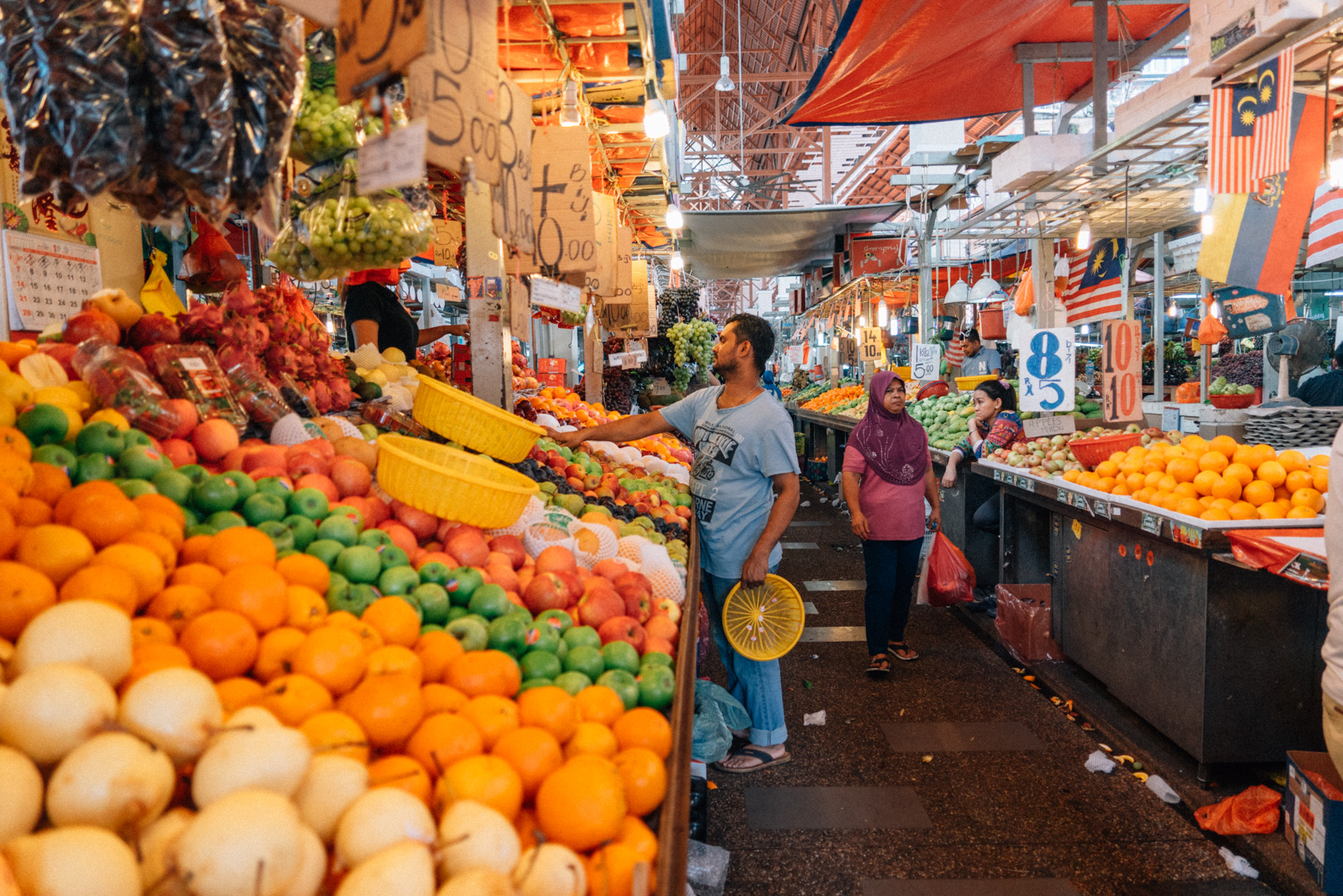
Dress and appearance with cultural sensitivity. Clothing communicates values before you speak. Research local norms on modesty, especially for sacred sites and community gatherings. In many destinations, covering shoulders, knees, or head is a sign of respect; pack a lightweight scarf or layer so you can adapt gracefully. Footwear matters: expect to remove shoes when entering homes, temples, or certain shops, so wear easy-on styles and tidy socks. Avoid clothing with bold slogans that may not translate well, and consider how colors or symbols carry different meanings. Keep swimwear at the beach or pool, and dress neutrally when visiting rural areas. Mind grooming and fragrance; strong perfumes can overwhelm. If you have visible tattoos or piercings, note that some communities associate them with specific roles; covering them in formal settings can reduce friction. When unsure, aim slightly more conservative than urban fashion trends, showing that you value local comfort as much as your own.
Eating and drinking with respect. Shared meals are where travelers earn trust. Observe table manners before diving in: some cultures begin only after a host invites everyone; others wait for an elder to lift the first bite. Learn if the right hand is preferred for eating or passing dishes, and avoid pointing with utensils. With chopsticks, never stick them upright in a bowl and avoid using them to gesture. Portion sizes matter—taking modest servings and accepting seconds when offered can balance hospitality and waste consciousness. Finishing your plate might signal appreciation in one place and pressure on the host in another; watch for cues. If there is a toasting tradition, lift your glass appropriately, and if you don't drink alcohol, politely keep a glass of water or tea so you can still participate. Share dietary needs in advance, but stay flexible, praising flavors and effort. Offer to help clean up, reinforcing gratitude beyond words.
Sacred spaces, rituals, and public decorum. Many journeys include moments in temples, churches, mosques, shrines, and memorials. Dress appropriately, remove hats or shoes when requested, and lower your voice to protect a contemplative atmosphere. Ask about photography consent; some sites forbid photos, and some ceremonies are meaningful to observe without a lens. Avoid touching art, altars, or relics, and be mindful of where you sit or point your feet. Offer small donations respectfully, without disrupting lines or prayers. In public, notice norms around queueing, public displays of affection, and seating for elders, pregnant people, or those with disabilities—yielding a seat is a universal gesture of kindness. During festivals, follow processions from the edge and accept guidance from volunteers or stewards. If invited to participate, mirror movements gently and step back when unsure. Leave spaces cleaner than you found them, considering both cultural and environmental stewardship.
Communication, gifts, tipping, and leaving a positive trace. Culture shapes how people say yes, no, and maybe. In some places, indirect communication protects harmony; a gentle pause or a polite phrase may signal refusal. Practice active listening, avoid interrupting, and allow silence to do its work. Bargain in markets with lightness—frame negotiation as a friendly game, not combat—and accept the first fair price with a smile. If gift-giving is customary, present items with two hands, avoid unlucky numbers or colors where relevant, and open or decline gifts according to local norms. Tipping expectations vary widely; when uncertain, ask discreetly or follow locals' behavior. Request permission before photographing people, especially children or artisans at work, and offer thanks—or a small purchase—when appropriate. Close the loop by supporting local businesses, learning a few useful phrases, and sharing thoughtful reviews that highlight respectful practices. Let your legacy be empathy, reciprocity, and genuine cultural exchange.