Decoding Dress Codes: What to Wear and Why
Demystify black tie, cocktail, business casual, and smart casual. Learn what each code means, why it matters, and how to dress with confidence.
The Language of Dress Codes
Decoding a dress code starts with context: Who is hosting, what is the purpose, where is the venue, and when does it take place? These signals reveal the formality spectrum, from relaxed gatherings to polished ceremonies. Notice clues like invitation wording, time of day, and setting; an evening celebration in a grand space implies more structure and shine, while a daytime garden event leans lighter and softer. Think beyond garments to fabric, fit, and finish. Sleek materials with subtle sheen communicate formality; matte textures and looser weaves feel casual. The same principle applies to silhouettes: sharper lines read dressier than slouchy shapes. Footwear, grooming, and accessories complete the message—clean, coordinated pieces elevate any look. Aim to honor the occasion while expressing personal style within the guidelines, prioritizing comfort so you can move, sit, and socialize with ease. When in doubt, lean a touch more polished; it's easier to remove a statement accessory than to compensate for an outfit that feels too casual.
Casual to Smart Casual
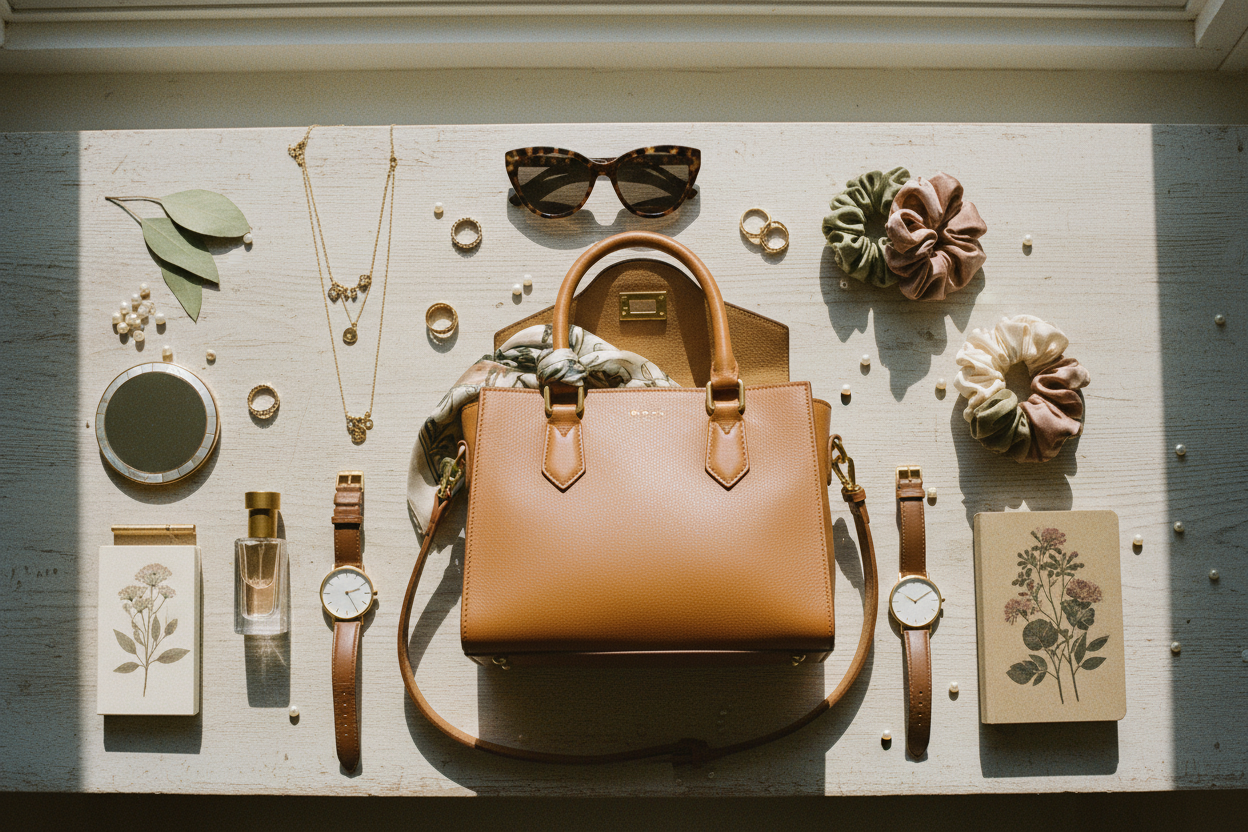
At the relaxed end, casual prioritizes comfort without sacrificing neatness. Well-fitting tees, tidy denim, clean sneakers, and unstructured knitwear are welcome—just avoid distressing, loud graphics, and worn-out pieces. Focus on fit and condition; even a simple outfit looks intentional when everything is clean and proportional. For smart casual, elevate one or two elements: swap a hoodie for a structured cardigan, trade joggers for chinos, or pair dark denim with a crisp button-down or knit polo. A casual blazer, leather sneakers or loafers, and a minimal belt add instant polish. Dresses and jumpsuits in breathable fabrics maintain ease while signaling effort; shirt dresses, ribbed midis, and refined rompers are strong choices. Keep colors harmonious and accessories restrained—think a sleek watch, simple studs, or a slim crossbody. Layer thoughtfully with lightweight jackets or overshirts. The formula is elevated basics: grounded, versatile pieces styled with intention, ready for brunch, galleries, or casual meetings.
Business Casual vs Business Professional
In offices and client-facing settings, business casual and business professional sit on distinct rungs of the formality spectrum. Business casual favors tailoring without rigidity: chinos or trousers, midi skirts, collared shirts, blouses, and fine-gauge knits. Blazers are optional yet powerful, and shoes span loafers, oxfords, clean sneakers (where permitted), or low heels. Denim, if allowed, should be dark, simple, and free of fading. Business professional calls for coordinated suiting: a matched jacket with trousers or a skirt, or a tailored sheath under a blazer. Crisp shirts, refined blouses, and subtle ties or scarves deliver polish. Keep palettes neutral or muted with a single accent tone; prioritize quality fabrics with structure—think wool blends or sturdy crepes. Belts and shoes should align in color and finish, and bags should be structured enough to hold documents. Tailoring is non-negotiable: check hem lengths, sleeve breaks, and waist suppression. Aim for composed, credible, and comfortable—ready for presentations, negotiations, and formal reviews.
Cocktail and Semi-Formal
The cocktail and semi-formal zones balance festivity with restraint. For cocktail, think dressy silhouettes with movement: knee-length or midi dresses, sleek jumpsuits, or dark suits with a crisp shirt and a considered tie. Play with fabrics like satin, crepe, velvet, or chiffon; introduce shine through metallic accents, jewelry, or a clutch without overwhelming the look. For semi-formal, dial up structure and cohesion: a tailored suit, a polished dress with clean lines, or refined separates that read unified. Shoes matter—choose polished dress shoes, strappy heels, or block heels that allow confident movement. Mind hemlines and necklines; elegant cuts trump overtly revealing shapes. Consider an outer layer like a tailored coat or wrap for seasonal practicality. Keep accessories purposeful: one focal piece—a bold earring, cuff, or brooch—anchors the outfit. Hair and makeup should look finished but not theatrical. The guiding principle is balance: sophisticated, celebratory, and comfortable enough for mingling and dance.
Black Tie and Beyond
Black tie elevates ceremony through precision. For classic menswear, a tuxedo with satin or grosgrain lapels, a formal shirt with studs, a bow tie, and polished patent or high-shine shoes creates a timeless foundation. For womenswear, a floor-length evening gown in luxe fabrics such as silk, velvet, or structured crepe aligns seamlessly; an impeccably refined cocktail dress can work if it feels unmistakably formal in fabric, silhouette, and details. Consider subtle sparkle, fine jewelry, and a compact evening bag. Thoughtful touches—well-pressed hems, confident posture, and smooth grooming—carry weight. Variants like creative black tie allow color, texture, and modern accessories while preserving the tuxedo or formal gown's architecture. If guidance mentions dressier tiers, expect heightened detail and stricter etiquette. Ensure fit is flawless: hem lengths for heels, jacket suppression, comfortable waistlines, and secure closures. Finish with a light wrap or shawl, controlled fragrance, and calm confidence—the most persuasive accessory of all.
Culture, Season, and Venue
Savvy dressing respects cultural cues, seasonality, and venue realities. Research traditions if attire intersects with heritage garments or religious spaces; prioritize modesty and respectful silhouettes where appropriate. Let climate guide fabric and layering: linen, cotton, and breathable blends suit warm weather; wool, velvet, and heavier crepes support cooler settings. Outdoor events demand practical footwear—block heels, wedges, or dressy flats for grass; sturdy soles for cobblestones; boat-friendly options for decks. Time of day matters: lighter colors and airy textures read daytime; deeper tones and shine transition elegantly into evening. Anticipate temperature shifts with a refined coat, shawl, or cardigan that complements the outfit rather than competing. Consider the event's purpose—a corporate gala leans structured and subdued, while an arts opening welcomes creative flourishes within dress code bounds. Finally, double-check bag size, hands-free convenience, and weather plans. Great style respects place, people, and purpose—and adapts gracefully when conditions change.
Versatile Closet and Final Checklist
Build a capsule wardrobe that flexes across codes through versatility and fit. Core anchors include a navy or charcoal suit, a neutral blazer, dark denim, chinos or tailored trousers, crisp white and soft-blue shirts, a refined knit, and a simple sheath or little black dress. Add a versatile midi dress, an elegant jumpsuit, classic loafers or oxfords, clean leather sneakers, and dependable heels with a walkable height. Keep accessories intentional: a silk scarf, minimal studs, a statement cuff, and a compact evening bag. Maintain garments with steaming, shoe care, and a lint roller; use a trusted tailor for hems, waist nips, and sleeve adjustments. Pack a micro kit—safety pins, double-sided tape, a stain remover, and spare hosiery. Before leaving: check proportion, wrinkles, lint, shoe polish, coordinated metals, and weather-appropriate outerwear. Most importantly, wear confidence. When your clothes fit, function, and reflect the moment, your presence does the rest.