Desk Job Health: Posture, Movement, and Breaks
Sitting smart beats sitting still. Learn posture fixes, movement habits, and break routines that protect your back, eyes, and energy at a desk job.
Posture Foundations
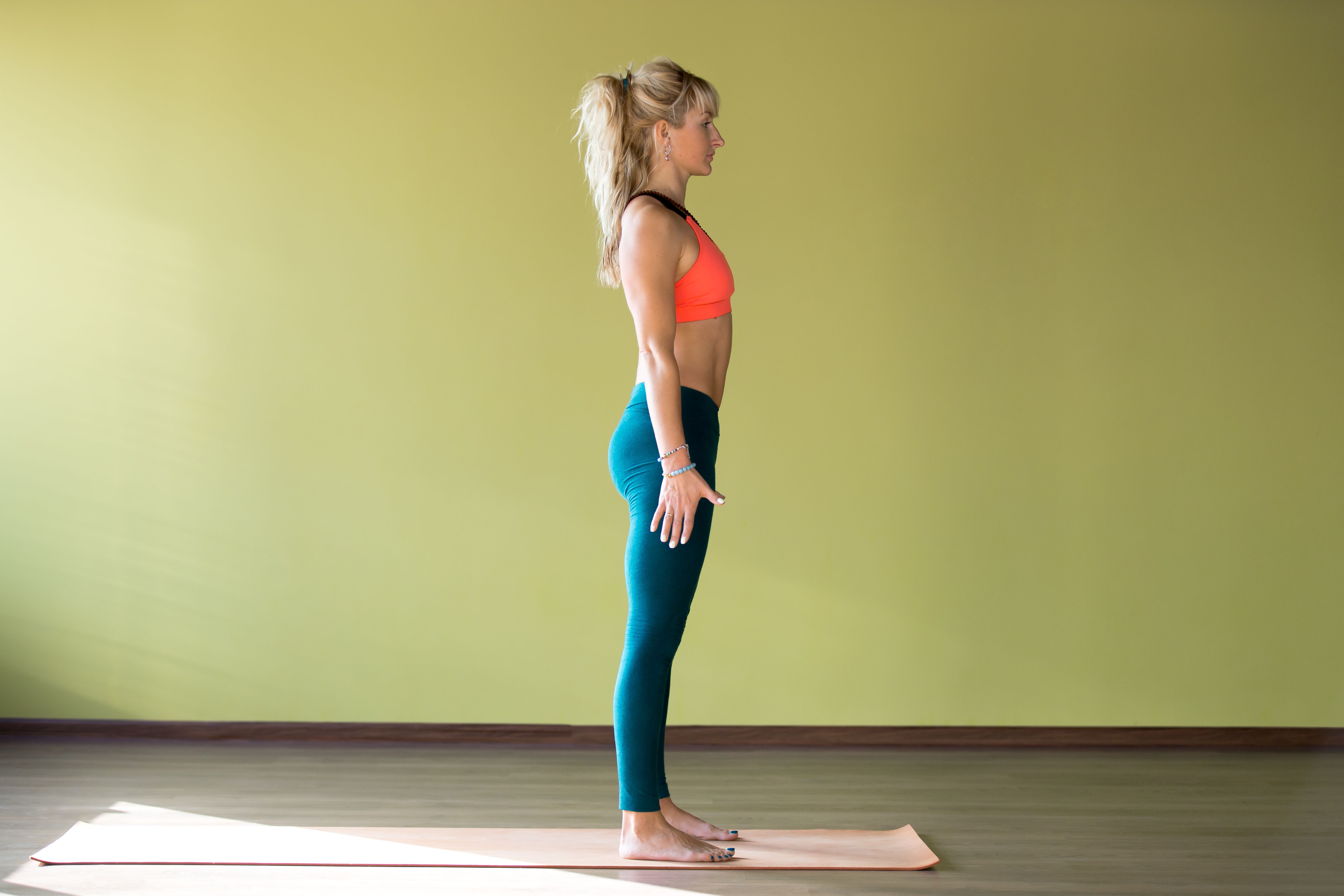
Maintaining a strong foundation begins with posture, but the goal isn't rigidity; it's relaxed alignment you can sustain. Think neutral spine: ribs stacked over pelvis, ears over shoulders, and chin gently tucked as if lengthening the back of your neck. Let the shoulder blades settle back and down without pinching, and keep the pelvis slightly untucked so you're resting on your sit bones, not your tailbone. Plant both feet firmly, distributing weight through the whole foot. Keep the keyboard close so elbows fall near the body, and keep breathing low and wide through the diaphragm to prevent bracing. Swap between supported upright sitting, active sitting, and brief standing to reduce static load on tissues. If you notice creeping tension, scan from head to toe: soften the jaw, drop the shoulders, release the glutes, and wiggle the toes. A posture that feels effortless for several minutes, then invites a change, is healthier than a picture-perfect pose you can't maintain.
Smart Chair and Desk Setup
A thoughtful setup makes good posture automatic. Adjust seat height so feet rest flat or on a footrest, with knees roughly level with or slightly below hips. Use lumbar support to fill the natural curve of your lower back; scoot hips all the way back so the backrest supports you, and leave a two-finger gap behind the knees for circulation. Set armrests just below elbow height to unload the shoulders without elevating them. Aim for relaxed elbows near 90–110 degrees, wrists straight, and the keyboard close to prevent reaching. Keep the mouse beside the keyboard at the same level; move from the shoulder, not only the wrist. Position the top of the monitor at or slightly below eye level, about an arm's length away, to reduce neck strain. If using a laptop, add a stand and external input devices to preserve neutral neck alignment. Small changes compound, turning your desk into a quiet coach for better alignment.
Microbreaks and Movement Snacks
Your body thrives on variety. Integrate microbreaks—brief, intentional shifts—to interrupt prolonged stillness. Every work block, take 30–60 seconds to stand, roll the shoulders, extend the spine, or walk to refill water. Once or twice an hour, add a slightly longer move: a brisk hallway lap, a set of calf raises, or a few controlled hip hinges. Use gentle cues to remember: finish an email, then stand; end a call, then stretch. These tiny movement snacks improve circulation, energize attention, and reduce musculoskeletal complaints without derailing productivity. Rotate tasks between sitting, standing, and walking when possible. Consider a sit-stand rhythm that feels sustainable, switching before discomfort sets in. If a timer feels intrusive, let natural transitions guide you: review notes on your feet, brainstorm while pacing, and read while perched on a stool. The aim is consistency, not intensity—small, frequent moves that keep joints lubricated and tissues resilient.
Stretch and Mobility Essentials
Targeted mobility helps reset stiff areas commonly taxed by desk work. For the neck and upper back, practice slow chin nods, gentle neck rotations, and thoracic extensions over the backrest while keeping ribs down. Open the chest with doorway pec stretches and scapular retractions to counter rounded shoulders. Ease hip tightness with a standing hip flexor stretch and seated figure-four stretch, holding light tension while breathing steadily. Hinge forward from the hips to mobilize hamstrings, keeping the spine long, and add ankle pumps to wake up the lower legs. For wrists and forearms, try wrist circles, prayer stretches, and light tendon glides to balance repetitive typing and mousing. Focus on smooth, pain-free ranges; aim for a mild stretch that eases with breaths rather than forcing end range. A short sequence performed consistently—sprinkled between tasks—helps maintain joint range, reduces soreness, and restores posture without needing a full workout block.
Eyes, Wrists, and Breathing Care
Visual and hand comfort are critical to endurance. Apply the 20-20-20 rule: every 20 minutes, look 20 feet away for 20 seconds to relax focusing muscles. Manage glare with adjusted screen brightness and a matte surface, and position monitors perpendicular to strong light. Keep wrists neutral, hovering in line with forearms rather than bent, and type with a light touch to reduce strain. Let the mouse fit your hand naturally, move from the shoulder, and vary grips; if possible, alternate hands for repetitive tasks. Sprinkle in forearm stretches and individual finger taps for dexterity. Pair these with breathing resets—slow nasal inhales, longer exhales, or a simple box pattern—to reduce sympathetic tension that often tightens shoulders and jaw. Hydration, blinking reminders, and occasional eye-tracking across different distances ease dryness and fatigue. These micro-habits protect vision, fine motor comfort, and overall calm, amplifying focus without relying on willpower alone.
Sustainable Routines and Habits
Healthy desk work is a system, not a sprint. Build habit loops by anchoring actions to predictable cues: stand after sending messages, stretch before meetings, sip water when you return to your chair. Schedule movement blocks on your calendar as you would calls, and honor them with brief, specific actions rather than vague intentions. Keep supportive tools within reach—water bottle, small cushion, or a reminder card with three go-to drills—to reduce friction. Aim for gradual progression: one extra microbreak this week, one additional standing stint next, then a short midday walk. Reflect on signals like neck tightness, eye strain, or afternoon slumps as prompts to course-correct rather than failures. Share goals with teammates to normalize breaks and encourage a health-first culture. Most importantly, stay flexible; the best routine is the one you will repeat. Consistency, compassion, and tiny upgrades will compound into durable, desk-friendly well-being.