Farmers Market Finds: Picking Peak-Flavor Foods
Shop like a pro at your local farmers market. Learn how to spot peak-season produce, pick ripe fruits and vegetables, and store them for lasting flavor.
Start with Seasonality
Farmers markets shine when you shop with seasonality in mind, because produce harvested at its natural peak flavor needs less fuss in the kitchen and delivers more nutrition per bite. Scan the stalls for items piled high and repeated across vendors; abundance is a cue that the harvest window is open. Ask where the produce was grown, since local crops travel fewer miles and retain more aroma and tenderness. Explore unusual varieties too, as heirlooms and specialty cultivars often prioritize taste over shelf life. Color saturation, supple skins, and lively leaves signal optimal ripeness, while dull tones and limp stems suggest age. Remember that every region has its own microclimate and terroir, so timing varies. Make a flexible list that leans on what looks best rather than chasing a fixed recipe. In the food and groceries world, this approach helps you budget smarter, waste less, and elevate simple meals with ingredients that practically season themselves.
Use Your Senses
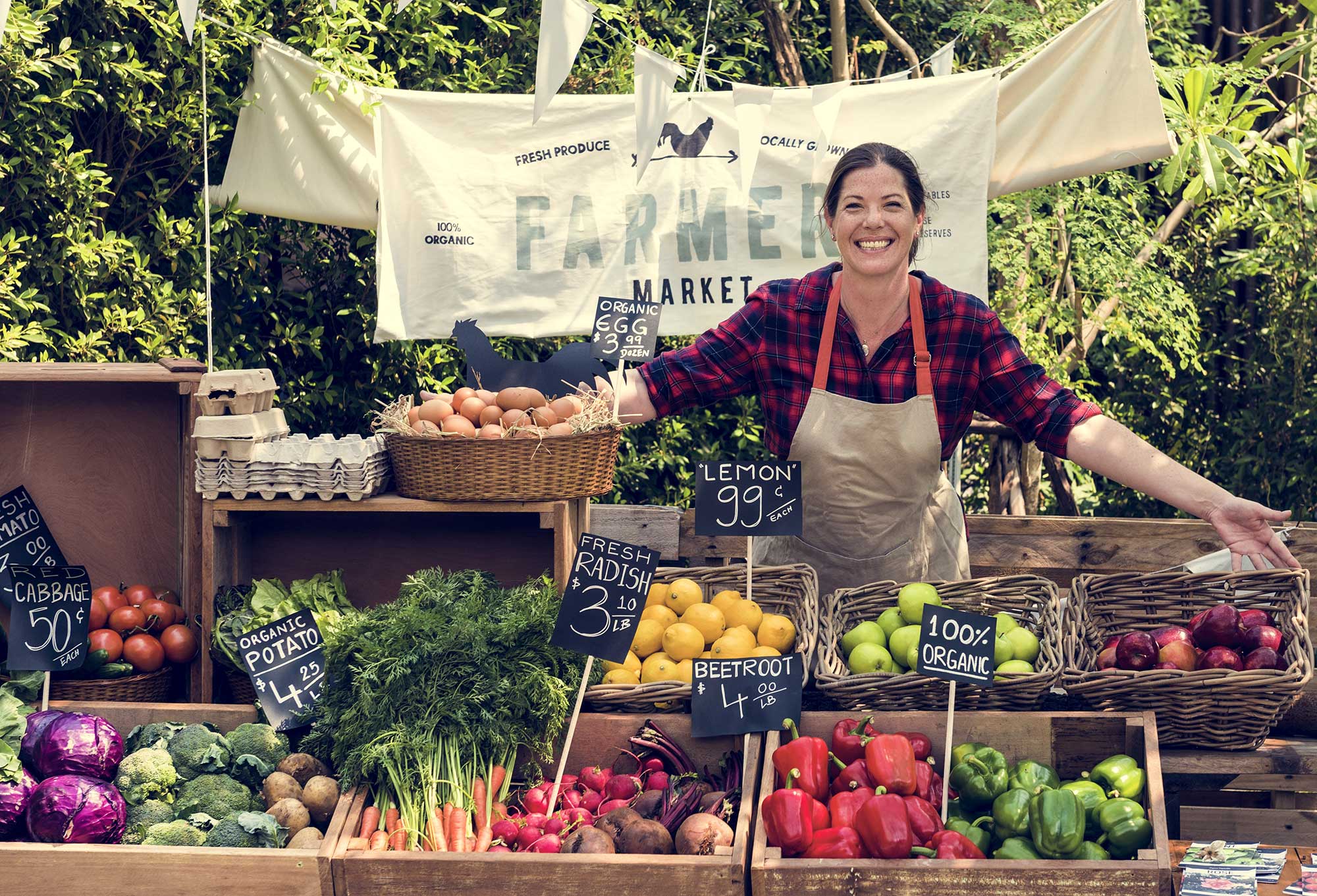
The best tool at the market is your body's built‑in produce lab: sight, touch, and aroma. First, scan color and surface quality; vivid hues and even tones usually indicate ripeness, while scarring, shriveling, or excessive moisture hint at decline. Next, test texture and weight. A good tomato feels heavy for its size with a subtle velvety skin; peaches and pears should have gentle give near the stem; cucumbers and peppers should be taut, not rubbery. Berries should look plump with a delicate bloom that signals freshness, and dry cartons with no leaks. Smell for a fragrant halo, especially at the blossom end of melons or near the stem of stone fruit; a pronounced, clean aroma suggests concentrated sugars. Avoid aggressive squeezing that bruises cells and speeds spoilage. Instead, practice a light, respectful touch. Combining sensory checks helps you sort stellar produce from the merely passable, ensuring your food and groceries choices deliver maximum taste for your basket.
Talk to Vendors
Conversation unlocks insight you will never get from a label. Ask the grower when the item was picked, which varieties they recommend, and how to store it for peak flavor. Many vendors love discussing soil, irrigation, or harvest timing and will point you to the sweetest batch or a lesser‑known cultivar with exceptional taste. Inquire about growing practices such as organic methods or integrated pest management so you can align purchases with your values. If sampling is offered, taste for balance between acidity and sweetness, then note texture and juiciness. Request cooking tips: which greens handle heat, which tomatoes shine raw, which potatoes hold their shape in soups. Vendors also know which produce continues to ripen at home, how long it stays fresh, and whether to refrigerate or keep at room temperature. This collaborative approach transforms the food and groceries errand into an informed partnership, guiding you toward consistently delicious selections.
Time Your Trip
Arriving early gives you first pick of premium produce and access to limited, high‑demand items, while arriving late can yield bargains as vendors lighten their load. Choose what fits your priorities: pristine selection or smart savings. Bring reusable bags, a small cooler with ice packs for delicate items, and a plan for how you will use your haul within a few days. Think through meal planning before you shop, focusing on versatile staples that mix and match across breakfasts, salads, and dinners. Hot days accelerate wilting, so collect tender greens and berries last, and set them in shade quickly. Keep cash for small purchases and be ready to pivot if a stall sells out. Timing also matters for ripeness: stock up on ready‑to‑eat items if cooking tonight, or pick firmer produce for later in the week. This strategy reduces waste, protects peak flavor, and helps you stretch your food and groceries budget without sacrificing quality.
Fruit Ripeness Guide
Different fruits behave differently after harvest, so tailor your choices. Climacteric fruits such as peaches, plums, and pears can soften and develop flavor off the vine, especially when nudged with a paper bag to concentrate ethylene. Look for gentle give at the shoulder, a perfumed aroma, and saturated skin tones without bruises. Melons should feel heavy, with a creamy ground spot and a fragrant blossom end. Tomatoes prefer warmth; seek even color, lively skin, and a supple, not mushy, feel. Non‑climacteric fruits like berries and grapes do not sweeten after picking; select them ripe at purchase. Favor berries with uniform color and intact bloom, and grapes with plump berries and flexible, greenish stems. Figs should be soft with a slight droop at the neck and a honeyed scent. Citrus can hold longer, but pick firm, glossy fruit that feels dense. These cues protect peak flavor and let your food and groceries plan flow through the week.
Veggie Selection
Vegetables advertise freshness through turgor, color, and scent. Leafy greens like kale, spinach, and lettuces should be crisp with perky stems and no slimy spots; slight wilting can be revived with a cold‑water soak. Brassicas such as broccoli and cauliflower need tight florets and vibrant color with no yellowing. Roots including carrots, beets, and radishes feel rock‑firm; perky tops signal recent harvest and can be cooked like greens. Alliums reveal age through dryness or sprouting; choose onions and garlic that are heavy, with tight skins and no soft spots. Summer squash and cucumbers should be taut and glossy, while eggplant benefits from a firm feel and bright green cap. Herbs broadcast aroma; choose bunches that smell vivid and avoid dark, wet leaves. Mushrooms should be dry to the touch, not slimy. These details matter because cell structure and moisture determine texture, sweetness, and cooking performance, ensuring your food and groceries picks translate into satisfying meals.
Store and Savor
Great shopping deserves great storage. Keep climacteric fruits on the counter to ripen, then move to the fridge to hold. Use breathable or vented bags for produce that prefers airflow, and high‑humidity drawers for leafy greens. Wrap herbs like parsley and cilantro as a jar bouquet with water and a loose cover; treat basil like flowers at room temperature. Line containers for berries with paper towels, and consider a gentle vinegar rinse before drying to extend life. Do not refrigerate tomatoes until fully ripe, and bring them back to room temperature before serving for best flavor. Plan meals front‑loading the most perishable items, and prep components ahead: wash greens, roast trays of vegetables, and cook grains from your food and groceries list for fast weeknight assembly. Preserve surplus with quick pickles, freezing, or pesto. Pairings like tomatoes with olive oil and salt, peaches with yogurt, or greens with citrus help simple ingredients shine without waste.