How to Read Grocery Labels Like a Pro
Decode nutrition facts, serving sizes, ingredients, and claims to shop smarter, spot added sugars, and avoid misleading marketing at the store.
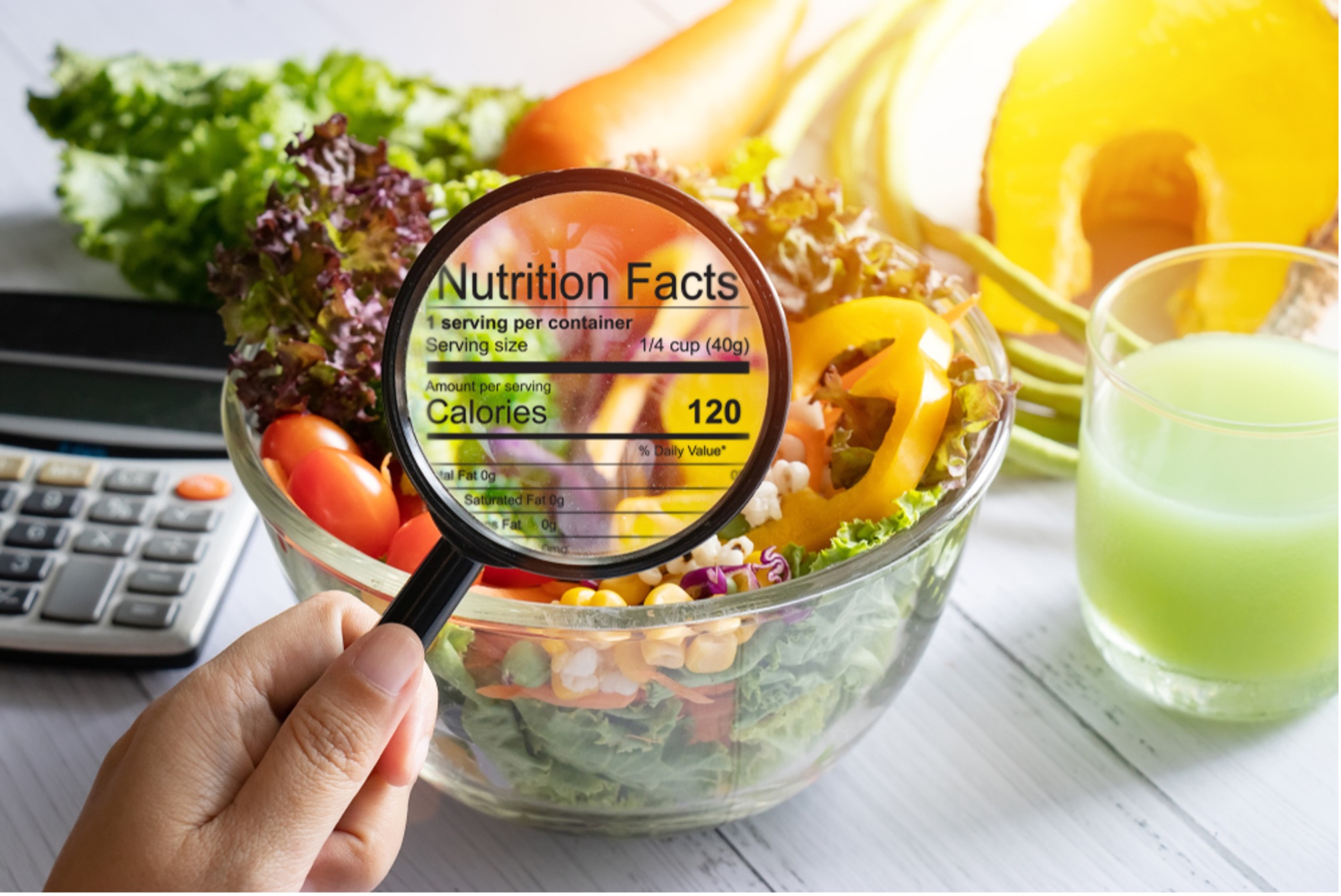
Master Serving Sizes: Understanding the serving size box is the fastest way to read labels like a pro. That number sets the baseline for everything that follows, from calories to sodium to fiber. If a package lists two servings, you double all the numbers when you eat the whole thing. Many labels also include a per container line to help you see the totals for the full package. Distinguish between a serving and your portion; they are rarely identical. A small bag of chips might list a tiny serving that is far less than what you pour into a bowl. For beverages, serving sizes can be especially misleading because bottles often hold more than one serving. When in doubt, measure once with a cup or kitchen scale to recalibrate your eye. Over time, you will learn the visual cues for a cup of yogurt, a handful of nuts, or a slice of bread, avoiding portion distortion and keeping your intake aligned with your goals.
Decode the Ingredients: The ingredient list reveals the story behind a product. Ingredients are listed by weight, so the first few items matter most. If whole grain or a recognizable food tops the list, that is a good sign. Watch for added sugars hiding under names like maltose, dextrose, cane juice, honey, or syrups. Multiple sweeteners sprinkled throughout the list can push sugar higher than it seems. Favor simple lists you can understand, and pay attention to oils; products made with olive oil or canola oil differ from those using partially hydrogenated fats. Long, dense lists are not automatically bad, but they often signal heavy processing. If you have allergies or preferences, scan for trigger words such as milk, soy, wheat, tree nuts, or sesame, which are commonly highlighted. When choosing staples in the food and groceries aisle, this quick scan helps you balance familiar ingredients, nutritional quality, and personal needs.
Know Your Numbers: The Nutrition Facts panel gives you a numeric snapshot to compare options. The Daily Value (%DV) helps you gauge how much a nutrient contributes to your day; as a rule of thumb, 5 percent is low and 20 percent is high. Focus on sodium, saturated fat, trans fat, added sugars, fiber, and protein. Aim for more fiber and protein in foods that should keep you full, and less sodium and saturated fat in everyday staples. Comparing items per 100 g or per standard serving evens the playing field across brands and sizes. For cooking oils and nuts, higher calories do not mean poor quality; density matters, so assess the type of fat rather than calories alone. Note cholesterol and calcium where relevant. Avoid relying solely on front-of-pack stars or symbols; they can be helpful but are summaries. The back label remains your best, consistent tool for understanding what you are actually bringing home from the food and groceries aisle.
Spot Sugar the Sneaky Way: Not all sugar is equal in context. The label lists total sugars and, importantly, added sugars. Naturally occurring sugars in fruit and milk come packaged with nutrients; added sugars are mixed in during processing. To visualize amounts quickly, remember that roughly four grams equals one teaspoon. A snack with twenty grams of added sugar delivers about five teaspoons, which can add up fast. Watch condiments, breakfast cereals, sauces, flavored yogurts, and beverages, where sweetness often hides. Sugar alcohols like xylitol or erythritol can reduce calories, but they may cause digestive discomfort in some people, and they do not automatically make a product nutrient dense. Claims like no added sugar can still mean high natural sugars; check the total sugars line and balance with fiber and protein. When comparing treats, choose smaller portions, pair them with produce or nuts for glycemic impact control, and keep sweet foods occasional rather than default staples.
Understand Claims and Badges: Packaging speaks in shortcuts. Learn which marketing claims are regulated terms and which are vague. Reduced means a significant decrease compared to a reference product, while low sets a specific threshold; the two are not interchangeable. Light can refer to calories, fat, or even color or flavor, so always read the fine print. Organic addresses how ingredients are grown and processed, not the sugar or sodium level. Gluten-free helps those with celiac disease or sensitivity, but it does not confer automatic health benefits for everyone. High in fiber requires a set amount per serving; verify on the panel. Cholesterol-free on plant foods is expected, not special. Non-GMO relates to genetic engineering, not nutrient quality. Certifications and badges can guide choices in the food and groceries category, but validate every claim against the Nutrition Facts and ingredient list to ensure it aligns with your priorities.
Make Smarter Aisle Decisions: Once you know the basics, put them to work. Start with your non-negotiables, such as fiber targets and sodium limits, and shortlist products that meet them. Then compare by per 100 g or per serving to see which option delivers better nutrient density for the calories. Favor minimally processed items with straightforward ingredients for everyday cooking, and save highly sweetened or salty snacks for occasional enjoyment. Store brands often match name brands on quality while costing less, so use labels to verify value. Build meals around labeled staples like whole grains, beans, plain yogurt, eggs, and frozen vegetables, then add flavor with herbs, spices, and measured sauces. For special diets, use labels to confirm protein sources, added sugars, and the types of fat. Over time, this habit turns the food and groceries aisle into a set of informed choices, aligning taste, budget-friendly shopping, and meal planning with your health goals.