Layering Like a Stylist: From Base to Statement
Layer like a stylist: begin with breathable base layers, add structure and texture, balance proportions, and finish with a confident statement piece.
The Foundation: Base Layers
A stylist worthy look begins with the base layer, the quiet hero that determines comfort, line, and polish. Prioritize fit that skims without clinging, allowing outer pieces to glide rather than snag. Select fabric based on climate and sensitivity: soft cotton blends for breathability, smooth modal or silk for a sleek finish, and fine merino for temperature control. Pay attention to neckline strategy, since a crew, scoop, or turtleneck sets the framework for collars and necklaces to follow. Check opacity and stretch so seams do not telegraph through lighter layers. Think about hem length and tucking; a clean front tuck or a seamless bodysuit can eliminate bulk at the waist. Choose neutrals that echo your skin undertone for a refined column or opt for a tonal base to support bolder mid layers. Small details matter, from tag placement to seam softness, ensuring breathability, mobility, and the streamlined foundation that makes every subsequent layer look intentional.
Mapping Proportions
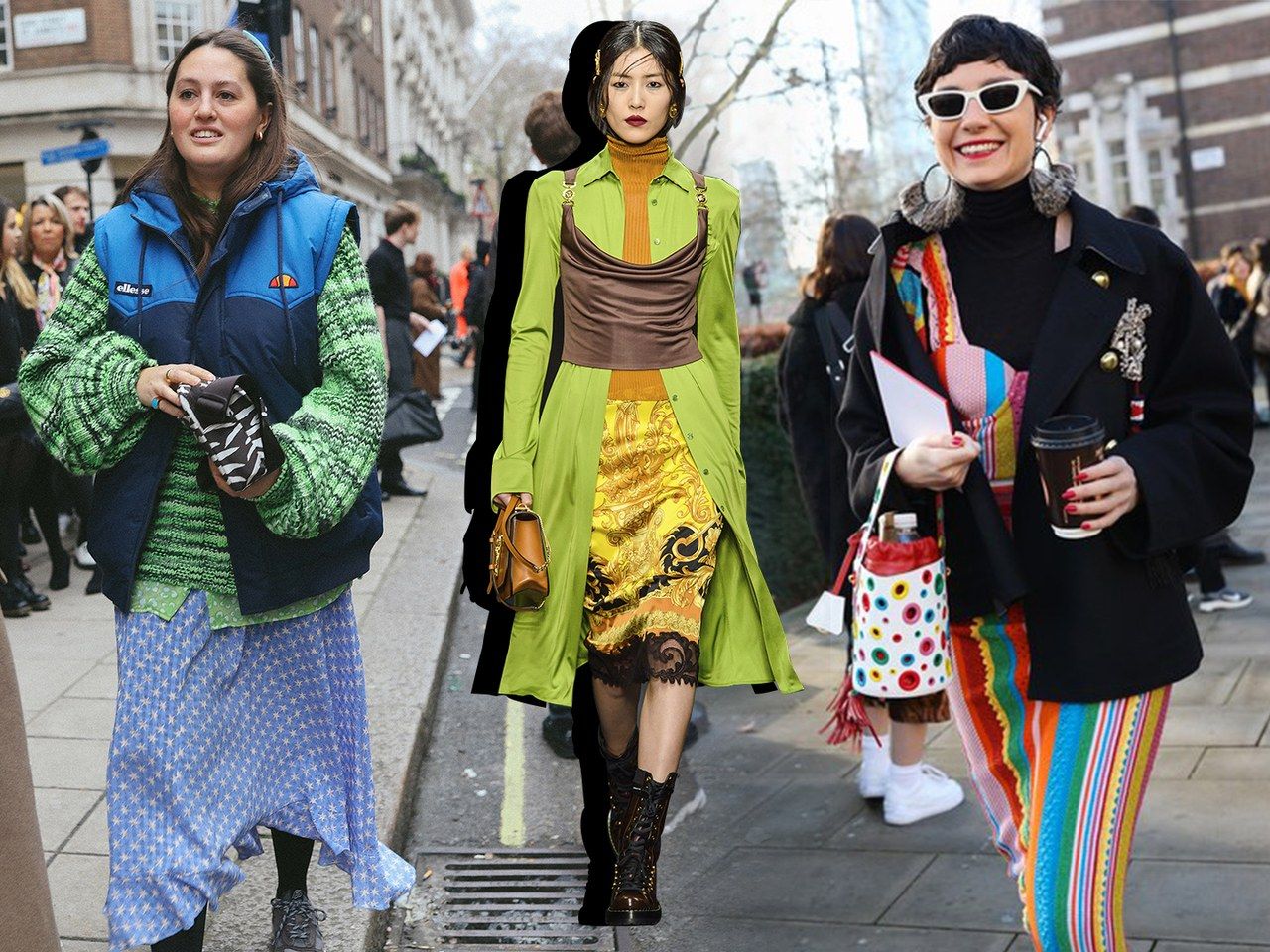
Layering succeeds when proportion and silhouette work in harmony. Start by identifying your visual anchor: a long lean base, a cropped jacket, or a fluid pant. Use the rule of thirds to break your look into pleasing segments without hard divisions. Balance visual weight by pairing volume with restraint; a roomy trouser thrives under a fitted knit and structured blazer, while a drapey dress appreciates a compact cardigan. Aim for a continuous column of color down the center to elongate, then frame it with contrast at the edges. Hem choreography matters too: let shirts peek beneath sweaters by a finger width, allow jackets to cover the waistband cleanly, and keep sleeves offset so cuffs and bracelets remain visible. When in doubt, choose one oversized element and support it with sleeker companions. Thoughtful proportion keeps layers from competing, turning each piece into a deliberate part of a cohesive silhouette story.
Mid Layers That Work
The mid layer is your utility player, bridging base and outerwear while adding personality. Cardigans, vests, crisp button downs, and lightweight knits offer versatility without bulk. Look for structure at the shoulder and clean drape through the torso so collars, lapels, and hems stack neatly. A tailored vest sharpens soft tees, while a relaxed overshirt tempers formal pieces. Experiment with closure strategies: wear a shirt open to create vertical lines, half button for ease, or fully close and tuck for definition. Keep mobility in mind; armholes should accommodate a base layer without pulling, and sleeve width should accept a jacket on top. Mind placket and pocket placement, since extra fabric adds depth where you might want flatness. Subtle ribbing, fine knits, and compact weaves layer most cleanly. Choose a mid layer that echoes at least one color or texture found elsewhere, reinforcing cohesion while quietly expanding your outfit's range.
Texture and Fabric Play
Masterful layering relies on texture as much as color. Mix contrast thoughtfully: pair matte knits with a hint of sheen, or sturdier denim against fluid satin to build dimension. Adjust the scale of texture so one standout surface leads while others support. For example, a chunky rib sweater plays well over smooth trousers and under a refined wool coat. Use leather, suede, or coated fabrics to introduce subtle shine, and counter with plush cashmere or brushed flannel for tactility. Consider breathability and warmth when stacking fibers; airy weaves prevent overheating, while denser knits trap heat near the core. Layer like materials at different weights to create depth without visual noise. When mixing patterns, keep textures calm, or when textures are bold, reserve patterns for small accents. Let hands be your guide; if the combination feels balanced to the touch, chances are it reads balanced to the eye.
Color Strategy for Layers
A strategic palette simplifies decision making and amplifies impact. Start with neutrals as your canvas, then introduce one accent to energize the stack. Tonal dressing, where shades of the same hue move from light to dark, extends the line and looks modern under structured layers. Use complementary contrasts sparingly; a single pop against grounded tones looks intentional. For prints, lean on print mixing principles by varying scale and sticking to shared colors. Repeat a key color twice, perhaps in a knit and a belt edge, to create visual links across the body. Keep saturation balanced so the base supports rather than battles the statement piece. Metallics act as neutrals; soft gold, brushed silver, or gunmetal hardware can unify mixed tones. If color feels risky, let texture carry interest and add chroma through removable accessories that can be swapped as confidence grows.
Outerwear as the Statement
Great outerwear turns layering into a look. Consider tailoring first: shoulder set, sleeve pitch, and body shape determine whether a coat can comfortably host your chosen underpinnings. A trim blazer sharpens soft knits, a trench lends architectural coverage, a bomber grounds refined separates, and a leather jacket injects edge and polish. Choose lapel width and hem length to complement your internal proportions; longer lines lengthen, shorter cuts showcase high waistlines. Use belts to define, or leave fronts open to reveal the vertical created by your base. Prioritize layering capacity with smooth linings and roomy armholes so pieces slide without bunching. Let the coat's texture and color serve as your statement: deep neutrals for quiet authority, textured twill for movement, or polished wool for sleek finish. The right outer layer frames everything beneath, adding structure and presence while protecting comfort and ease.
Accessories and Finishing Touches
Accessories refine the story and assign a focal point. A scarf adds softness, color, or repetition of texture while also bridging necklines and lapels. A sleek belt can cinch a cardigan or blazer, shaping the mid layer without compromising flow. Choose jewelry with scale that suits your stack: delicate chains for intricate collars, bold cuffs when sleeves are pushed to reveal the wrist. Hats and eyewear punctuate the top line; consider how brim width or frame shape interacts with collars and hoods. Socks, hosiery, and shoes complete the base, repeating tones or textures for balance from head to toe. Hardware matters; coordinate metals across zippers, buckles, and jewelry for quiet unity. Bags should complement proportions, with strap lengths that do not fight lapels or overwhelm minimal stacks. Small adjustments, like rolling a sleeve or knotting a scarf off center, transform functional layers into expressive styling.
Lifestyle, Care, and Sustainability
Sustainable layering begins with a thoughtful capsule built on versatility. Prioritize pieces that earn high cost per wear, mix across dress codes, and adapt to shifting temperatures. Mind care to extend life: steam to refresh and preserve structure, use a de piller on knits, brush wool to revive nap, and store outerwear on shaped hangers. Lean on alterations for precision; a tweaked sleeve or hem often unlocks harmonious stacking. Consider pre loved sourcing and repairs to reduce waste while adding character. Plan for your routine: commuting, desk time, and after hours each demand different weights and pockets, so assemble modular combinations that reconfigure easily. Test mobility by reaching, sitting, and layering a bag to ensure nothing binds. Record winning formulas to repeat with seasonal tweaks. The long game is simple elegance backed by craftsmanship, maintained with care, and expressed through confident, repeatable layer recipes.