Mountain Retreats: Best Hikes and Views
Plan your next mountain retreat with our guide to the best alpine hikes, serene summits, and jaw-dropping viewpoints across iconic ranges.
Choosing the Right Mountain Retreat
Selecting a mountain retreat begins with aligning your ambitions to the terrain. Study elevation gain, trail difficulty, and expected weather to avoid surprises that sap energy. If you prefer leisurely rambles, choose valleys with broad paths and gentle grades; for a challenge, target routes that crest into the alpine zone where wind and exposure test your planning. Check trail conditions, note water sources, and plan conservative turn-around times. A realistic itinerary respects daylight, personal pace, and group fitness. Secure any required permits early and pack layers for shifting temperatures. Embrace Leave No Trace principles to keep fragile ecosystems pristine, especially near meadows and high ridgelines. Build flexibility into your schedule so you can follow clearer skies or safer paths when conditions change. By matching ambition to preparation, you transform a simple outing into a memorable journey, maximizing safety and elevating every view that opens as you climb.
Iconic Ridge Walks and Panoramic Views
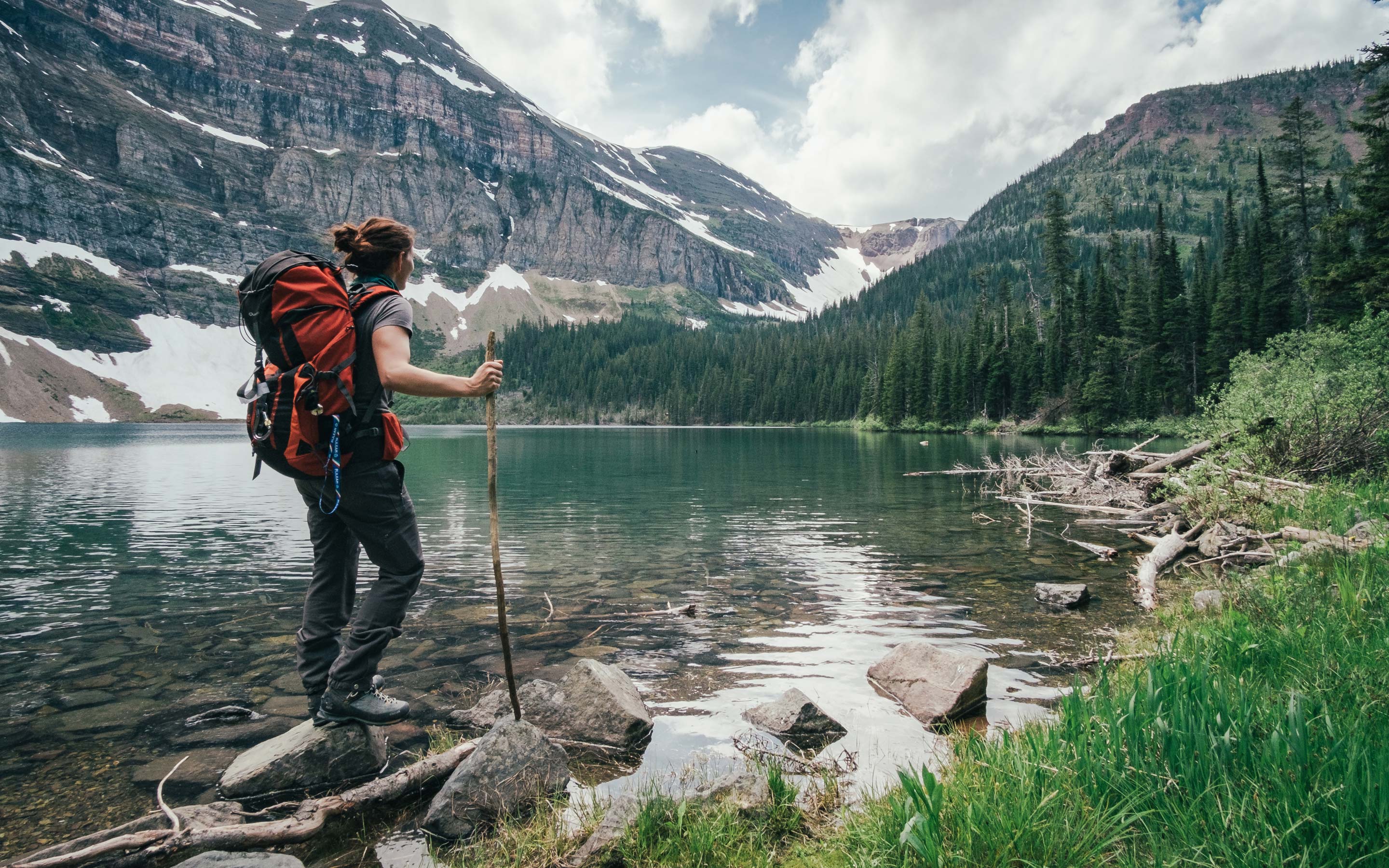
Ridge walks deliver the quintessential mountain payoff: unbroken sightlines, dramatic sky, and rolling horizons. Choose a route renowned for panoramic views, with steady switchbacks to earn the summit gradually. Start early for calmer winds and thinner crowds, and set a steady cadence that allows frequent pauses to soak in the scenery. Look for vantage points where ridges converge, providing layered perspectives of neighboring peaks and distant valleys. Practice mindful footwork, as rocky spines can be uneven and exposed. Carry a light wind shell, hydration, and a compact snack kit so you can linger comfortably at overlooks. Photographers will love the interplay of shadows on serrated ranges; consider framing shots with a foreground element like wildflowers or textured stone to deepen composition. When clouds build, assess visibility and avoid lingering near drop-offs. With mindful planning, ridge walks amplify the magic of high-country travel, turning every step into a balcony over the world.
Waterfall Trails and Forest Escapes
Waterfall trails pair gentle elevation with sensory reward: rushing water, cool mist, and verdant shade. Seek forests rich in moss, ferns, and towering conifers, where streams braid across stone and create natural waypoints for breaks. The sound of falling water guides your progress, but keep respect for slick rock and variable footing. Poles help on wet steps, and waterproof footwear preserves comfort for the return. Many cascades reveal multiple tiers; explore spur paths cautiously to discover hidden pools and pocket amphitheaters carved by time. Pause to notice microclimates near spray zones, where wildflowers cluster and air temperature drops. Pack a light layer to avoid chills and store electronics in a dry bag. Remember to step off the trail only on durable surfaces to protect delicate creekside plants. Waterfall routes provide a restorative counterpoint to airy summits, delivering intimate nature immersion and photo-ready scenes that reward patient exploration.
High-Altitude Peaks for Experienced Hikers
Ambitious peak pushes demand deliberate pacing, disciplined nutrition, and confident movement over uneven terrain. Plan for acclimatization when venturing higher, and build in extra time for slower breathing and breaks. Efficient layering manages heat during climbs and protects against sudden cold near the summit. Expect scrambling sections where hands assist feet; pack gloves with grip and keep three points of contact on steeper slabs. Carry a map, compass, and reliable GPS, cross-checking the route at junctions and cairns. Hydration and electrolytes are crucial, as dry air and effort accelerate loss. Practice energy budgeting by segmenting the ascent into short goals, like designated overlooks or saddle points, to maintain morale. If weather deteriorates, prioritize safe retreat; storms can transform simple ridges into hazardous ground. With humility, preparation, and keen judgment, high-altitude objectives reward you with profound summit panoramas and the deep satisfaction of a well-earned view.
Family-Friendly Paths and Scenic Loops
Families and newer hikers flourish on scenic loops with gradual grades, clear markings, and frequent points of interest. Choose trails near visitor centers or lakeshores where terrain is forgiving and amenities are accessible. Interpretive signs can turn the path into a living classroom, introducing geology, wildlife, and forest cycles. Schedule generous breaks at scenic benches or picnic meadows, and bring snacks that feel celebratory to keep spirits high. Simple navigation, like following a colored blaze or a loop symbol, reduces anxiety and builds confidence in the outdoors. Encourage kids to practice trail etiquette by yielding to uphill hikers and staying on durable surfaces. Look for short spur paths to overlooks, boardwalks over wetlands, and gentle ridgelines with safe viewpoints. With the right pace and curiosity, these routes transform into shared adventures where everyone participates, absorbs nature lessons, and finishes energized rather than exhausted, eager for the next mountain day.
Essential Gear and Trail Etiquette
Thoughtful packing elevates comfort and resilience. Start with supportive footwear, moisture-wicking layers, and a breathable shell. Add a brimmed hat, sunscreen, and sunglasses to protect at altitude. A compact first-aid kit, blister care, and a lightweight emergency blanket offer peace of mind. Trekking poles reduce strain on knees during long descents, and a headlamp ensures safe travel if timing slips. Water capacity should match effort and heat, with purification tablets or a filter as backup. Carry a paper map even if you rely on digital tools. Food should combine quick sugars and slow-burning fats to stabilize energy. On the trail, practice etiquette: yield to uphill hikers, leash pets where required, keep voices low near wildlife, and give space at viewpoints. Pack out all trash, including food scraps, and step off trail only on durable surfaces. When prepared and considerate, you become part of a respectful community that keeps mountain experiences pristine.
Capturing the Moment and Staying Present
Balancing photography with presence turns a hike into a lasting memory. Begin by pre-visualizing compositions that highlight leading lines like trails, ridges, and streams. Use a foreground element to anchor depth, and vary angles by kneeling or climbing a small rise. Keep your camera or phone accessible in a chest pocket to capture fleeting light without constant stops. Prioritize safety: step away from edges and set poles and packs securely before shooting. Consider small, steady breaths to reduce motion blur, and bracket exposures when contrast is high. After a few frames, pause to simply look, breathe, and absorb the silence, letting the panorama work on your senses. Share viewpoints courteously, giving others time in prime spots. Before leaving, do a quick sweep for lens caps and litter. By alternating focused creativity with mindful observation, you preserve both the image and the feeling, the twin treasures of a mountain retreat.