Organize Your Fridge for Fresher, Longer-Lasting Food
Transform your fridge into a freshness zone with smart zones, ideal temps, airtight storage, and first-in-first-out habits to cut waste and save money.
Map the Chill Zones: Before you shuffle a single jar, understand your refrigerator's natural temperature zones. Cold air sinks and pools near the back and bottom, while the door is the warmest, fluctuating whenever it opens. The top shelf tends to be steady but slightly warmer than the back middle, and crisper drawers maintain higher humidity. Keep your main compartment set close to 37–40°F (3–4°C) and the freezer at 0°F (−18°C) to protect texture and taste while slowing bacterial growth. Leave a little airflow around items so cold air can circulate; overcrowding traps warmth and leads to uneven cooling. Use a simple thermometer inside to verify accuracy, since built-in dials can be vague. Take a minute to learn how your model vents air—avoid blocking those outlets with tall containers. With the chill map in mind, you'll place foods where they thrive, reduce spoilage, and make every grocery dollar work harder for your household.
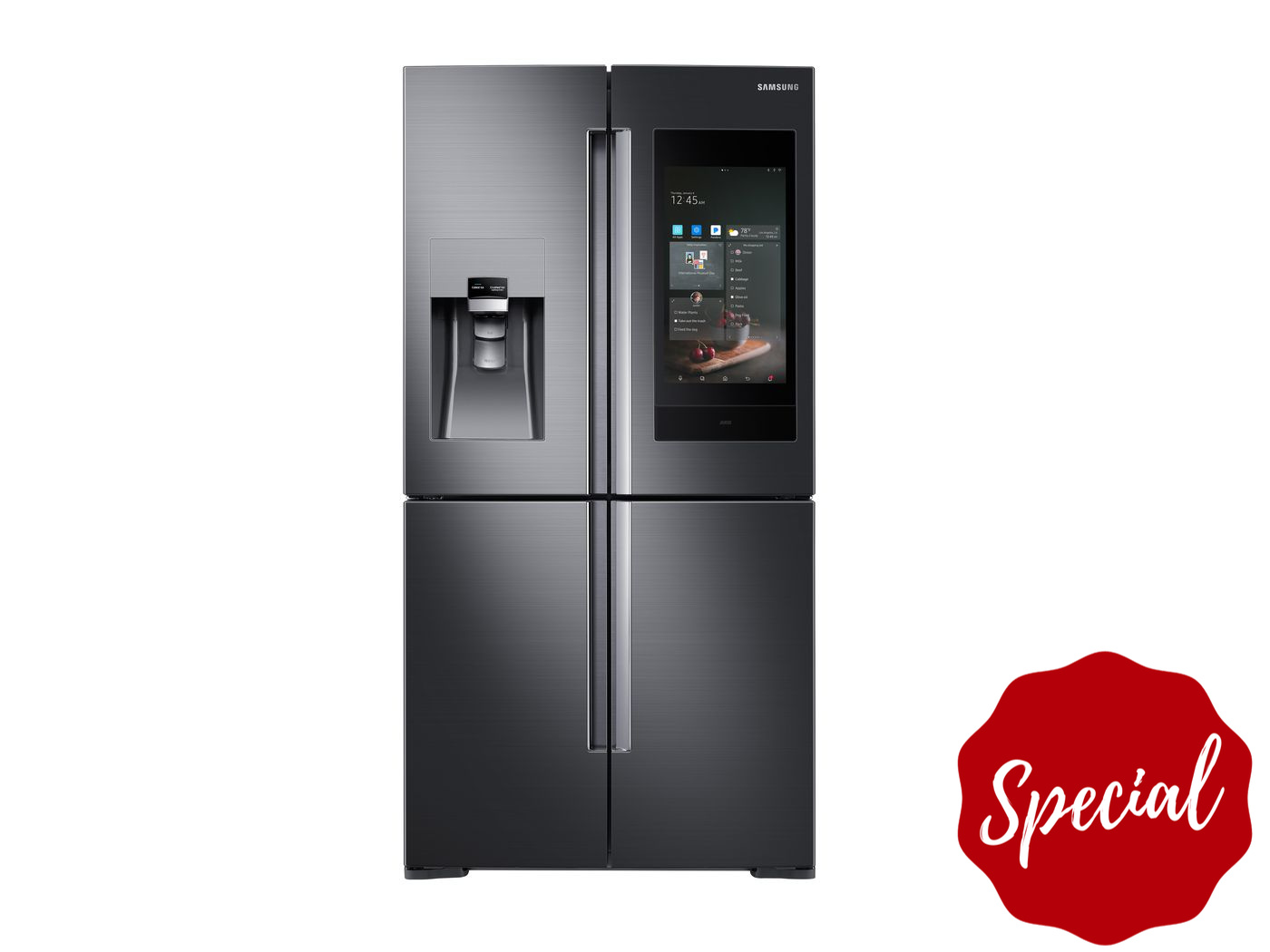
Assign Foods to the Right Spots: Store raw meat, poultry, and seafood on the lowest shelf in a tray to catch drips, preventing cross-contamination. Keep dairy like milk and yogurt in the cold, consistent middle shelves, not the door. Place eggs inside the main cavity, where temperatures are steadier, and keep leftovers up front at eye level so you remember to use them. Reserve the door for sturdy items that tolerate swings—think condiments, hot sauce, and shelf-stable juices. Use crisper drawers intentionally: the high-humidity drawer suits leafy greens and herbs, while low-humidity settings are ideal for fruits that prefer drier air. Separate ethylene-producers such as apples and pears from delicate greens and berries to prevent premature ripening. Group deli meats and cheeses together in a shallow bin on a mid shelf for quick access. This purposeful placement respects each food's needs, blocks cross-contamination, and helps you see what to eat first.
Contain, Label, and Stack Smart: Uniform, airtight containers keep odors in check and moisture stable, preserving texture while preventing spills. Opt for clear rectangular containers that stack cleanly; they use space efficiently and let you see exactly what's inside. Shallow containers cool leftovers faster, reducing time in the danger zone. Assign modular bins for categories—snacks, breakfast, salad kits—so everyone knows where to look and how to put things back. A small lazy Susan can make jars and dips easy to reach without shuffling the whole shelf. Use labels and dates on the front, not the lid, so you can scan quickly. Painter's tape and a marker are cheap and easy to remove. Follow FIFO—first in, first out—by sliding newer items behind older ones during restocks. Dedicate a leak-proof bin for marinating proteins, and a use-first bin for items close to their prime. These simple systems save time, reduce waste, and keep weekly grocery hauls organized.
Master Wrapping and Produce Microclimates: Freshness often hinges on moisture control. Line produce bins with paper towels to absorb excess humidity, swapping them when damp. Store leafy greens in breathable bags with a towel, or rinse, spin dry, and pack loosely to avoid crushing. Tuck herbs like cilantro and parsley upright in a jar with a little water, loosely covered, to mimic a mini bouquet. Keep mushrooms in a paper bag so they don't get slimy, and wrap cut avocados tightly with the pit in place to slow browning. Many fruits release ethylene gas that speeds ripening—keep apples and pears away from delicate greens and berries. Wash berries just before eating to avoid sogginess, or thoroughly dry after rinsing if you prefer pre-washed convenience. Choose cheese storage that breathes—waxed or specialized paper—then place it in a loose container to prevent drying. Remember, some items like whole onions or potatoes prefer the pantry; separating them protects both flavor and texture inside the fridge.
Clean, Maintain, and Monitor: A clean fridge keeps food safer and tasting better. Do a quick weekly wipe-down of shelves, bins, and handles to catch sticky drips before they spread odors. Deep-clean removable parts with warm, soapy water and dry thoroughly to discourage mold. Keep gaskets (the rubber door seals) clean so the door closes tightly; debris here wastes energy and compromises temperature. Place a small box of baking soda or a container of coffee grounds to absorb stubborn smells, and replace periodically. Verify temperature with an appliance thermometer; small adjustments make big differences in freshness. Don't overlook the drip pan or drainage channels if your model has them—clogs can lead to hidden grime. Avoid overloading shelves, which blocks air circulation and strains the motor. When you return from a big shop, let the door rest closed for a few minutes after stocking so the interior can recover its chill quickly and evenly.
Shop and Stock With Strategy: Smart habits outside the fridge pay off inside it. Buy perishables with a plan: pair quick-to-spoil produce with early-week meals and save sturdy items like carrots and cabbage for later. Portion leftovers into meal-sized containers so you only expose what you'll eat. Cool hot foods briefly on the counter, then refrigerate in shallow containers to move them swiftly through the temperature danger zone. Keep a small inventory list or a use-first bin so family members know what to grab next, cutting down on forgotten odds and ends. Avoid overfilling; leave space around containers and near the vents for consistent cooling. Group snacks and breakfast items together to reduce door-open time during busy mornings. When restocking, rotate older items to the front and check dates as you go. With a little forethought, every trip to the market turns into an organized, waste-reducing refresh that keeps food fresher, flavors brighter, and budgets happier.