Pantry Staples Every Home Cook Should Keep
Keep your pantry stocked with grains, beans, canned tomatoes, spices, oils, vinegars, and baking basics to make quick, flavorful meals anytime.
Grains and Pastas: A well-stocked pantry begins with versatile grains and pasta that can anchor countless meals. Keep a mix of long-grain rice for fluffy pilafs, short-grain or arborio for creamy risottos, and brown rice for hearty bowls. Add quick-cooking quinoa, bulgur, and couscous for weeknights when time is tight, plus rolled oats for breakfasts, granola, or savory oat risottos. A selection of pasta shapes—spaghetti, penne, and short soups cuts—ensures you can pivot from a simple tomato sauce to a baked casserole or minestrone. Toast grains in a little oil to deepen flavor, then simmer with stock for extra richness. Store dry goods in airtight containers to preserve freshness and deter pests, and label them for easy rotation. These staples provide dependable structure, gentle starch, and satisfying texture, letting you build meals with whatever vegetables, proteins, or sauces you have on hand while mastering techniques like al dente cooking and absorption methods.
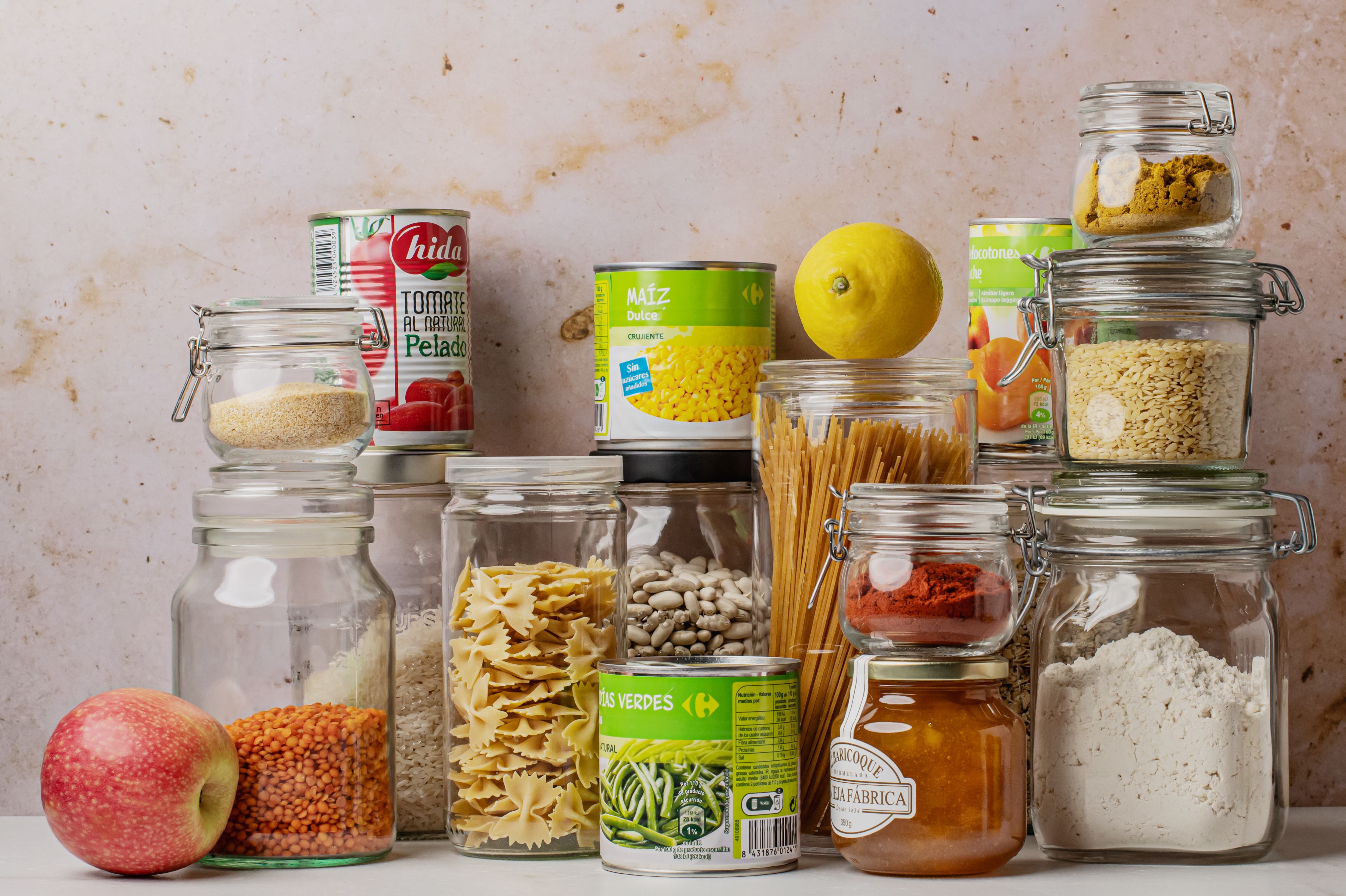
Canned and Jarred Essentials: Thoughtfully chosen canned and jarred goods deliver convenience without sacrificing flavor. Stock tomatoes in multiple forms—crushed, diced, whole, and tomato paste—to create sauces, stews, and braises with concentrated depth. Keep a range of beans such as chickpeas, black beans, and cannellini for salads, chilis, and quick purees; rinse them to reduce excess sodium and improve texture. Add coconut milk for silky curries and desserts, plus roasted red peppers, artichokes, and capers for instant Mediterranean character. Protein-packed options like tuna, sardines, and anchovies bring savory umami to pasta, dressings, and toasts. A few jars of pesto or olive tapenade can transform grains and sandwiches in seconds. Don't forget broths or stock concentrates to boost soups and sauces on the fly. Organize by type and rotate so you always know what's ready for a last‑minute, satisfying meal.
Oils, Vinegars, and Condiments: Flavor balance starts with good oils, bright vinegars, and smart condiments. Keep extra-virgin olive oil for dressings and finishing, and a neutral oil like grapeseed or canola for high-heat searing and frying. A small bottle of toasted sesame oil adds nutty depth to stir-fries and noodles. Stock a few vinegars—red wine, apple cider, and rice vinegar—to dial in acidity, deglaze pans, and build quick pickles. Essential condiments include soy sauce or tamari for salt and umami, fish sauce for savory backbone, Dijon mustard for emulsifying dressings, hot sauce for heat, and honey for gentle sweetness that balances spice and acid. Combine oil, vinegar, mustard, and a pinch of salt to make a fast vinaigrette; tweak with soy sauce or citrus to suit the dish. Store oils away from light and heat, and use smaller bottles to preserve freshness, ensuring clean, reliable flavors every time you cook.
Herbs, Spices, and Aromatics: A compact, fresh spice collection lets you cook globally from your pantry. Start with fundamentals: kosher salt and black pepper to season with precision, plus garlic powder and onion powder for quick aromatics. Build complexity with cumin, paprika (sweet or smoked), chili flakes, oregano, thyme, bay leaves, and warm baking spices like cinnamon. Add turmeric, curry powder, ground coriander, and ginger to explore vibrant profiles. Bloom spices gently in oil to unlock fat‑soluble flavors, or toast whole spices before grinding for a deeper, fresher impact. Keep herb blends—such as Italian seasoning or za'atar—for weeknight shortcuts. Store spices in airtight containers away from heat and light, and buy modest amounts so they stay potent. A pinch here and there can transform simple beans, grains, and vegetables, proving that thoughtful seasoning is the most cost‑effective way to cook boldly while making the most of everyday groceries.
Baking Basics and Sweeteners: Even if you rarely bake, a few baking staples open the door to tender breads, crispy coatings, and silky sauces. Stock all-purpose flour for batters and thickening, plus whole wheat flour for hearty loaves and a nutty edge in pancakes. Keep cornstarch for glossy stir-fry sauces and puddings, alongside baking powder and baking soda to lift quick breads and cakes. A jar of yeast empowers pizza nights and simple sandwich loaves. Round things out with cocoa powder, vanilla extract, granulated sugar, brown sugar, and liquid sweeteners like honey or molasses for depth and moisture. Use flour to dredge proteins for a delicate crust, or whisk cornstarch with cold liquid to avoid lumps in gravies. Store dry goods in airtight containers to prevent clumping, and test leaveners periodically by observing their fizz in acidic water. With these basics, you can pivot from savory to sweet with ease.
Nuts, Seeds, Broths, and Smart Storage: To finish dishes with crunch and nutrition, keep nuts and seeds such as almonds, walnuts, pumpkin seeds, sesame seeds, and chia. Toast them to heighten aroma, whirl them into pesto, or blend tahini and peanut butter into sauces and dips. Dried fruit like raisins or apricots adds gentle sweetness to pilafs and salads, while broths and stock concentrates turn grains and soups into comfort food fast. Consider shelf-stable dairy alternatives for last-minute creaminess. Maintain freshness by storing nuts and seeds in airtight containers; for longer life, refrigerate or freeze them to protect their oils. Practice first in, first out rotation, label jars with contents, and keep an updated list so you shop intentionally. When your pantry is organized, you cook more confidently, waste less, and combine staples creatively—transforming everyday groceries into flavorful meals that suit any schedule or appetite.