Smart Secondhand: Thrift Strategies for Standout Looks
Build a standout wardrobe on a budget with smart secondhand strategies that elevate quality, define your style, and make shopping more sustainable.
Shop With A Plan
Smart secondhand shopping starts long before you step into a store. Build an intentional thrifting plan by auditing your closet, noting what you actually wear, and defining a consistent color palette and silhouette that flatter you. Create a focused wishlist on your phone so impulse buys do not crowd your wardrobe. Research local shop vibes, from curated boutiques to charity warehouses, and schedule visits during off-peak times when racks are easier to scan. Set a realistic budget, but keep space for a strategic splurge on a rare find. Practice fast filtering: skim for your colors, preferred materials, and known cuts first, then deep-dive. Bring a small kit with a measuring tape, lint roller, and a tote. Stay patient; patience is the thrifter's superpower. Pass on the almost-right item and keep refining your signature look. The goal is fewer, better pieces that integrate seamlessly, not a haul that dilutes your style. With a clear plan, every aisle becomes opportunity.
Read Quality Like A Pro
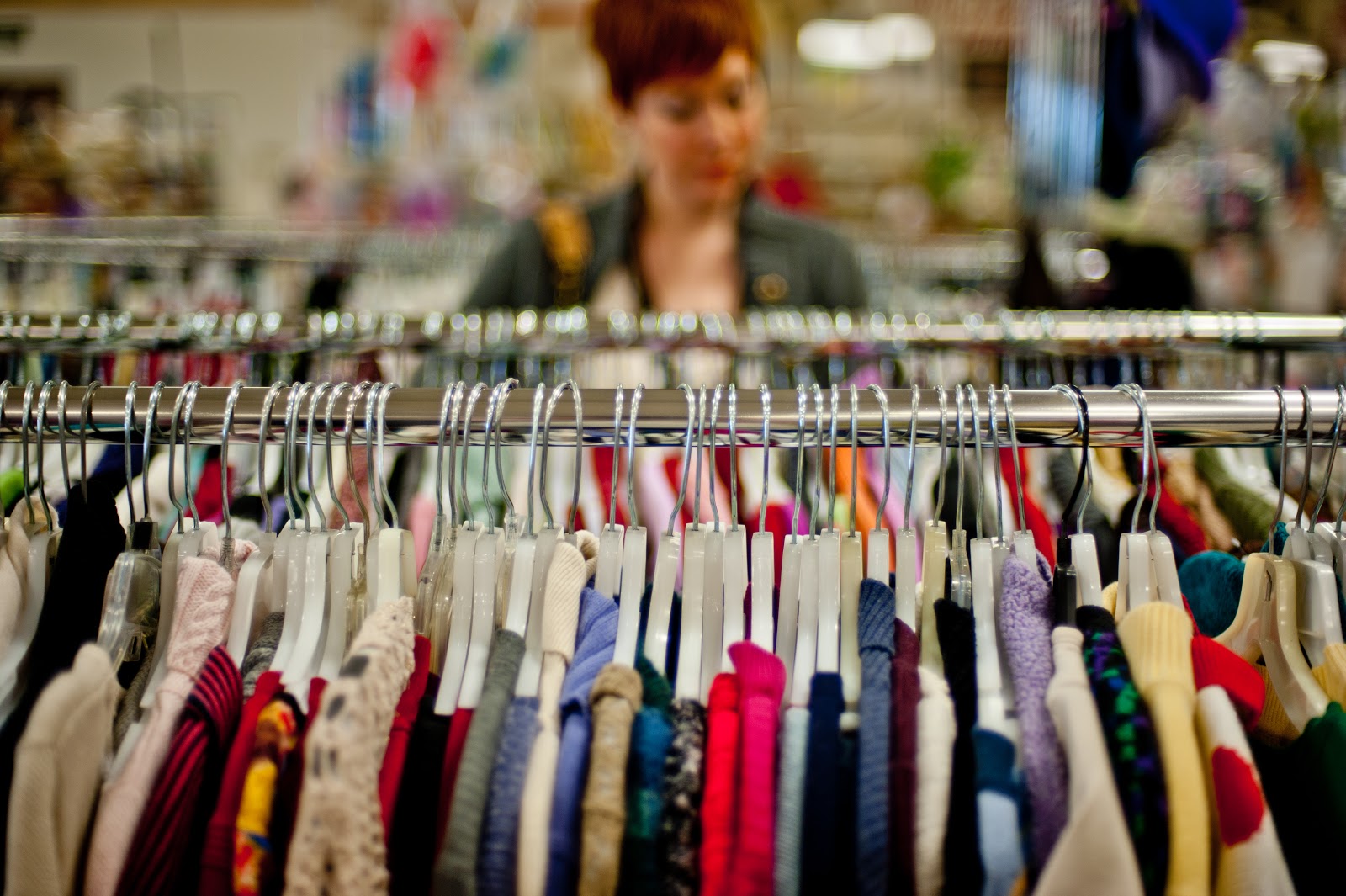
Elevate your finds by training your eye for fabric quality and construction. Prioritize natural fibers like wool, linen, cotton, and silk for comfort, breathability, and rich drape; blends can shine too when the hand feel is smooth and resilient. Inspect seams for tight, even stitching, straight topstitching, and a bit of seam allowance that signals tailorability. Quality lining is smooth, opaque, and hangs independently; partial linings are fine if cleanly finished. Check closures: metal zippers should glide, buttons should be securely shanked, and hardware should feel substantial. Alignments matter; pattern matching at side seams and pocket flaps reveals care. Do quick tests: scrunch and release to see wrinkling, rub gently to check for pilling, and hold fabric to the light for thin spots. Smell for strong odors and examine stress areas like underarms and seat for wear. Thoughtful inspection ensures durability and a refined look that rivals new retail.
Fit, Tailoring, and Proportion
Numbers lie; fit tells the truth. Bring a tape to note your core measurement points: shoulders, chest, waist, hips, rise, and inseam. Prioritize garments that skim rather than squeeze, leaving a touch of ease for movement. Envision simple alterations that amplify the piece: taking in side seams, shortening hems, tightening a waist, or moving buttons. Favor items with straightforward constructions and enough seam allowance for a clean tweak. Experiment with proportion: balance a roomy blazer with tapered trousers, pair wide-leg pants with a fitted knit, or crop a boxy shirt to meet high-rise bottoms. Use belts and cuffs to sculpt your silhouette without permanent changes. Try on across categories; a men's oxford can be a crisp shirtdress, while a midi skirt can be hemmed to your sweet spot. Above all, honor comfort. When a piece fits your life and body, tailoring becomes fine-tuning, not rescue work.
Style Alchemy: Mix Old and New
Unlock uniqueness by blending eras for a high-low mix that feels modern and personal. Let one statement piece lead—perhaps a textured coat, sculptural shoe, or bold print—and keep the rest streamlined. Work in texture play: pair chunky knits with sleek satin, crisp poplin with soft leather, or rugged denim with delicate lace. Use layering formulas to simplify choices: base layer, mid layer, and a sharp topper. Anchor standout vintage with contemporary basics for clarity, or go monochrome and let materials provide depth. Calibrate contrast with accessories: slim belts, refined scarves, clean-lined bags, and simple jewelry that frames rather than competes. Rotate silhouettes to refresh staples—tuck, half-tuck, or belt for instant shape. Footwear modernizes everything; minimalist sneakers or polished loafers ground ornate finds. Aim for versatility: pieces that slide from casual to dressy with small swaps. The magic lies in creative tension—old soul, new polish, unmistakably you.
Care, Clean, and Restore
Your edge is care. Begin with gentle laundering: hand wash delicates, turn knits inside out, and air dry flat to preserve shape. For tailored items, use targeted stain removal and steam to refresh between wears, minimizing harsh cleaning. Always test products on a hidden seam first. Invest in mending skills: reattach buttons with a shank, close small seam splits, and try basic darning for knits. A de-pilling tool, sweater stone, lint brush, and seam ripper transform secondhand into showroom. Treat leather with conditioner, polish shoes, and replace heel caps early. Store garments on shaped hangers, fold heavy knits, and use breathable bags with cedar to deter pests. Mind maintenance by airing garments after wear and brushing wool to lift dust. With thoughtful storage and simple rituals, you add longevity to every piece, saving money and keeping your wardrobe looking rich without constant replacements.
Sustainable Confidence and Budget Wins
Thrifting is style with purpose. Consider cost per wear when deciding, prioritizing items you will repeat and remix. Seek gaps that strengthen a capsule wardrobe—a coherent core that makes getting dressed effortless. Practice seasonal edit sessions: donate what no longer serves, sell what deserves a new home, and tailor promising near-misses. Embrace circular fashion by trading within your community and supporting local shops. Track outfits in photos to refine your eye and spotlight MVP pieces. Build mindful consumption habits: pause before purchasing, imagine three outfits, and confirm maintenance fits your routine. Confidence grows as your closet reflects your life, not just trends. Use thrift savings for quality repairs or that single wow piece. Over time, your wardrobe becomes an ecosystem of intentional choices, effortless mixing, and expressive details—proof that standout looks can be sustainable, personal, and genuinely smart.