Sustainable Style Guide: Feel-Good Fabrics That Last
Discover durable, planet-friendly fabrics—from organic cotton to hemp and TENCEL—that elevate your wardrobe with comfort, longevity, and low impact.
Comfort Meets Consciousness
Sustainable style begins where touch meets intention, and where the fabric against your skin aligns with your values without compromising performance. Choose feel-good fabrics that are designed for durability, so garments can withstand frequent wear and thoughtful care. Look for tight weaves, balanced knits, and reinforced seams that resist sagging and abrasion. Fiber origin and finishing matter too. Prefer low-impact dyes, undyed options, and mechanical finishes over heavy chemical treatments to protect both skin and waterways. Transparent traceability from farm to mill signals a brand that invests in accountability. When in doubt, favor quality over quantity and pieces that feel substantial without being heavy, drape well, and recover their shape after movement. A resilient wardrobe is built from fabrics that breathe, manage moisture, and age attractively. By selecting textiles that marry comfort, responsible production, and long wear, you assemble a closet that looks polished today and continues to deliver value season after season.
Natural Fibers Worth Knowing
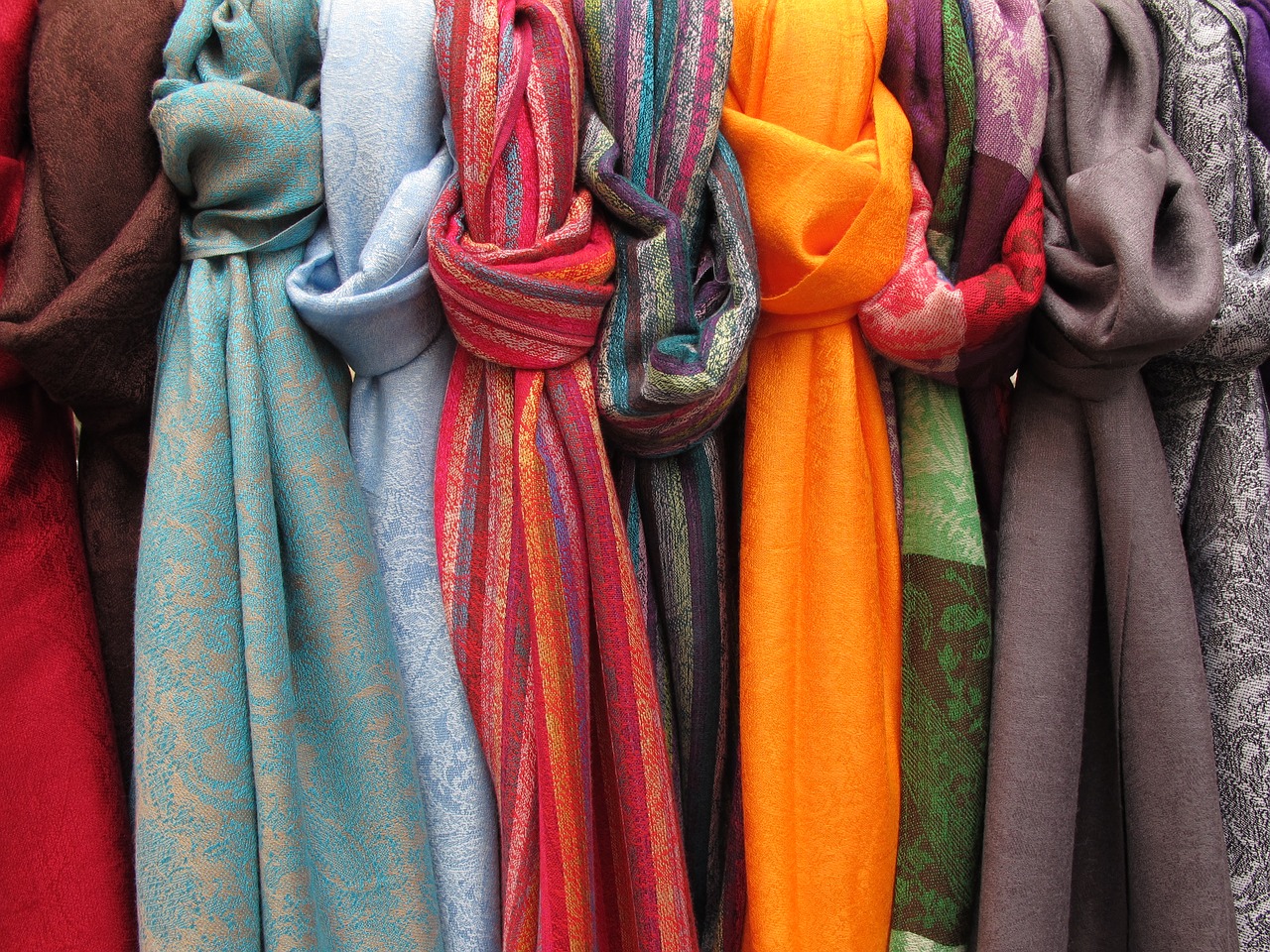
Natural fibers remain the backbone of a conscious closet. Organic cotton offers familiar softness with fewer synthetic inputs; seek long-staple varieties for smoother handfeel and enhanced durability. Linen, spun from flax, shines in heat thanks to airy structure and excellent moisture management; it softens beautifully over time while maintaining strength. Hemp brings rugged resilience and a crisp drape that relaxes with wear, making it ideal for workwear, denim blends, and breezy shirting. Thoughtfully sourced wool, including fine merino, provides natural temperature regulation and breathability that transition across seasons. Silk can be luxurious when produced with welfare and ecosystem care, and blends of silk with cotton or wool can boost longevity. Look for certifications such as GOTS or OEKO-TEX to signal safer chemistry and vetted supply chains. Prioritize uncoated, minimally processed textiles that can be repaired, reconditioned, and eventually return to the earth, ensuring both comfort and responsible biodegradability.
Innovations in Responsible Synthetics
Synthetics have a place when chosen with intention. Recycled polyester conserves resources and offers reliable durability in outerwear and activewear, especially when paired with robust stitching and abrasion-resistant weaves. Regenerated nylon from recovered waste creates sturdy swim and legging fabrics that retain compression and shape. When stretch is essential, keep elastane content moderate to balance comfort and potential recyclability. Consider next-gen cellulosics like TENCEL Lyocell, produced in closed-loop systems that recover solvents and reduce waste, delivering silk-like drape with everyday ease. Modal can add softness and resilience when responsibly sourced. Approach generic bamboo viscose with caution, prioritizing certifications and clear process disclosures. Reduce microfiber shedding by choosing denser knits, washing on gentle cycles, and using microfiber filters. Favor solution-dyed options and low-impact dyes to cut water use and color fade. With mindful selection and care, performance textiles can support long wear, maintain shape, and minimize environmental trade-offs.
Care Rituals That Extend Life
Great fabrics deserve great habits. Wash less and spot clean more to preserve color, elasticity, and handfeel. Use a gentle cycle, mild detergent, and cool water to protect fibers and reduce energy. Air-dry whenever possible to prevent heat damage and shrinkage, reshaping garments while damp to maintain drape. For knits, dry flat and store folded to avoid stretching; for wovens, use padded hangers and give seams room to breathe. A handheld steamer releases wrinkles without the stress of high heat, and a fabric shaver safely removes pills from sweaters and jerseys. Mend early with simple stitches, reinforce loose buttons, and patch high-friction zones before holes spread. Treat stains promptly to avoid over-washing, and rotate shoes and outerwear to allow materials to recover between wears. Thoughtful care not only lengthens lifespan but also keeps textures supple and colors rich, ensuring favorite pieces continue to look and feel exceptional.
Smart Shopping, Timeless Wardrobes
Buying better starts with a plan. Use cost per wear to evaluate value, prioritizing silhouettes you will reach for repeatedly and materials that complement your climate. Read fiber labels and feel for fabric density, recovery, and stretch balance. Inspect seam finishes, bar tacks at stress points, tidy hems, and smooth linings, as these details signal durability. Choose cohesive colors and versatile textures that mix and layer across occasions, creating a flexible capsule wardrobe that resists trends. Opt for replaceable components like buttons and zippers, and consider items with spare trims or repair kits to extend service life. Explore resale, rental, and brand take-back programs to keep garments in circulation. Finally, prioritize brands that disclose traceability, highlight low-impact dyes, and invite repairs over replacements. With intention, your closet becomes a curated system of feel-good fabrics and reliable fits that look polished now and remain relevant long into the future.