The Joy of Less: A Starter Guide to Minimalist Living
Discover how simplifying your home, schedule, and tech can free time, money, and mindspace. Start small, keep what matters, let the rest go.
Why Less Can Feel Like More
Minimalism is not about stark rooms or strict rules; it is about intentionality and choosing what genuinely supports your life. When you own less, you manage less, clean less, and worry less, creating room for clarity and presence. The joy comes from aligning your surroundings with your values so that every item, commitment, and habit earns its place. This shift reduces decision fatigue, lowers stress, and frees time for what matters, whether that is creativity, relationships, rest, or learning. Minimalist living also supports financial well-being, since buying less means spending less and maintaining fewer things. It can even lighten your environmental footprint by promoting mindful consumption. Most importantly, less does not mean lacking; it means discovering what enough truly feels like. The result is a home and life that act as a supportive backdrop rather than a constant demand for attention, letting you focus on experiences, growth, and everyday moments of quiet contentment.
Mindset First: Value Over Volume
Before clearing a single drawer, clarify your why. Define your values and imagine a day in a simplified life: how would your home look, how would your calendar feel, and what would you be free to do? This becomes your compass for every decision. Minimalism is a commitment to value over volume and to nurturing space for purpose. Ask guiding questions: Does this item or task support my goals? Is it useful, beautiful, or both? What would happen if I let it go? Learn to sit with the discomfort of releasing what is good but not essential. Replace guilt with gratitude, thanking items for their role and then passing them on. Embrace the idea of enough, a personal threshold that prevents drifting back into excess. When your mindset crystalizes, decluttering stops feeling like loss and becomes a practice of alignment, restoring clarity and confidence with each considered choice.
Start Small and Build Momentum
Grand overhauls often stall; progress over perfection is the sustainable path. Begin with a small, low-stakes space like a junk drawer, bathroom cabinet, or a single shelf. Set a short timer and aim for visible wins. Use simple tools: a donate box, a trash bag, a repair pile, and a maybe box to revisit later. When evaluating items, try the gentle prompts: Do I use it regularly, love it sincerely, or need it for a specific purpose? If not, let it go. Celebrate every inch of cleared space as a confidence boost. For sentimental items, start with duplicates or blurred photos before approaching heirlooms. Keep a running list of decluttering targets and schedule short sessions to maintain momentum. Document progress with quick photos so you can see the results and fuel motivation. One edit begets another; once you feel the lightness of decluttering, resistance fades and your new standards begin to guide future choices.
Crafting a Calm, Functional Home
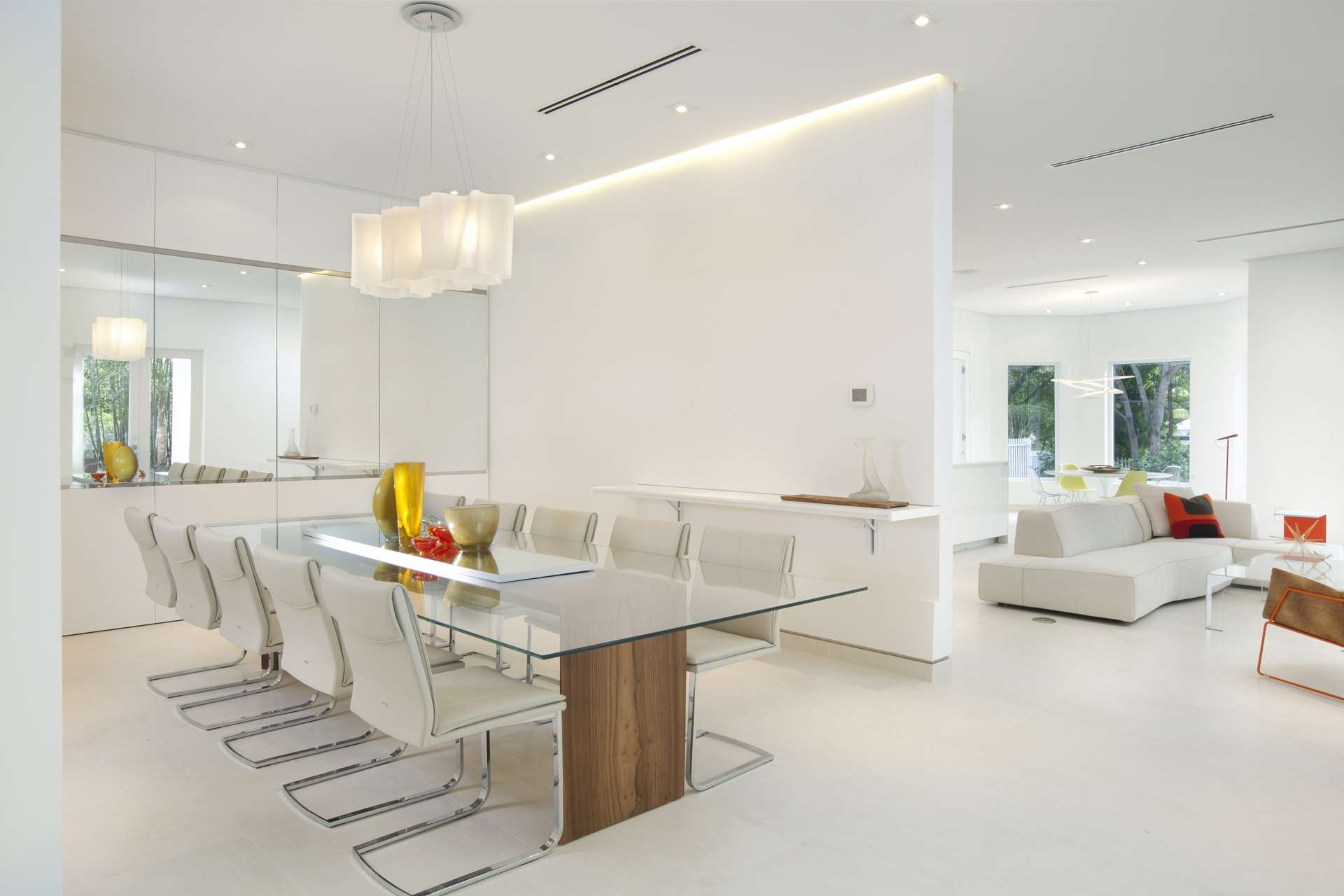
A minimalist home prioritizes function, comfort, and cohesion. Start by defining the purpose of each room and removing items that do not serve that purpose. Aim for negative space on surfaces to reduce visual noise and make cleaning easier. Choose a calm color palette and add warmth through texture rather than clutter, using materials like wood, linen, or wool. Opt for multiuse pieces, such as nesting tables, storage benches, or foldable drying racks. Store like with like, keep everyday items within easy reach, and give everything a clear home. Curate decor to a few meaningful pieces that you genuinely enjoy. Create a simple entryway system for keys, bags, and mail to prevent piles. Add light by opening curtains, using mirrors, and selecting lamps that create soft, inviting glow. The goal is not emptiness; it is ease. When your space supports daily routines, you regain time, energy, and a grounded sense of calm.
Simplify Your Style with a Capsule Wardrobe
A capsule wardrobe trims decision fatigue and helps you dress with confidence. Start by choosing a base palette that flatters you, then add complementary tones for versatility. Keep silhouettes simple and layers compatible so pieces mix effortlessly. Prioritize quality over quantity, selecting fabrics that feel good and endure wear. Try on every item and keep only what fits your lifestyle and supports how you want to feel. Replace impulse purchases with a short list of genuine gaps, like a reliable jacket or breathable basics. Maintain your closet with thoughtful care: repair buttons, polish shoes, and air garments between wears. Store out-of-season items neatly so your daily rail remains light and functional. Accessories add variety without clutter; a scarf, belt, or watch can refresh familiar outfits. With fewer, better pieces, getting dressed becomes swift and satisfying, and your closet evolves into a curated toolkit for self-expression and ease.
Clear the Noise: Digital Minimalism
Clutter hides in screens as easily as in drawers. Practice digital minimalism by taming your devices so they serve your goals. Start with notification hygiene: disable nonessential alerts and schedule focused windows for messages and news. Organize files into simple, logical folders, archive what you must keep, and delete what you do not need. Unsubscribe from newsletters that no longer add value and unfollow accounts that drain energy. Use one calendar and one list manager to reduce fragmentation, and batch similar tasks like emails or bills. Declutter your home screen by keeping only essential apps visible and placing distractors in a separate folder. Create a daily digital sunset, a time when screens go away so rest and relationships can take center stage. Embrace single-tasking to reclaim attention. When your tech is quiet and intentional, you lower stress, sharpen focus, and regain hours that can be invested in learning, movement, and real connection.
Money, Time, and Commitments with Intention
Minimalism extends beyond objects to how you manage money and time. Track spending for a month to reveal patterns, then align purchases with values like health, learning, or experiences. Conduct a subscription audit and cancel what you barely use. Build a simple meal plan to cut decision fatigue and reduce waste. Treat your calendar like a time budget: leave white space for rest, add buffers between meetings, and schedule deep work when you are most alert. Practice the respectful no, offering alternatives when helpful. Batch errands, automate bills, and group similar tasks to reclaim focus. Choose durable items over disposable ones, borrow rarely used tools, and share with neighbors. Explore frugal joy: library books, home cooking, slow walks, and gatherings that rely more on presence than purchases. When commitments and expenses align with what matters, life feels spacious and purposeful, and your energy returns to the places that deserve it most.
Make It Stick: Habits, Rituals, and Joy
Minimalism lasts when supported by maintenance and rituals. Adopt a nightly reset where surfaces are cleared and items return to their homes. Use the one in one out rule to prevent new clutter, and give decisions a pause to avoid impulse buys. Schedule seasonal reviews to revisit closets, drawers, and digital spaces. Add joy intentionally: a plant near your desk, a favorite mug for morning tea, a playlist for cleaning sessions. Prioritize experiences over things with small rituals like a weekly walk, a simple dinner with friends, or an afternoon of making rather than buying. Expect backslides; they are normal. When clutter creeps in, return to your why and begin again with one drawer or one commitment. Minimalism is not deprivation; it is contentment through alignment. As you practice, you will notice more ease, more breathing room, and more time for the people and pursuits that make life feel well lived.