The Smart Shopper's Guide to Fresh Produce
Master ripeness tests, seasonal picks, storage tricks, and budget buys. Shop smarter, waste less, and bring home the freshest fruits and vegetables.
Choosing Seasonal Stars: The smartest produce choices begin with what is naturally abundant right now. When fruits and vegetables are seasonal, they travel less, taste better, and often cost less, stretching your grocery budget further. Use your senses as your primary tools. Look for vivid color, taut skin, and a pleasant aroma that signals peak flavor. Pick items that feel heavy-for-size, an indicator of juiciness, and avoid bruises, shriveling, or damp spots. Leafy greens should be crisp, not limp, and herbs should look perky with bright, fragrant leaves. Root vegetables like carrots and beets ought to be firm, with tops that are fresh, not wilted. Citrus should feel heavy and give slightly under gentle pressure, while tomatoes and stone fruit should be fragrant near the stem. When in doubt, ask the produce staff about delivery schedules for the freshest picks. These simple checks help you favor freshness, boost flavor, and keep your cart filled with reliable, peak-quality staples.
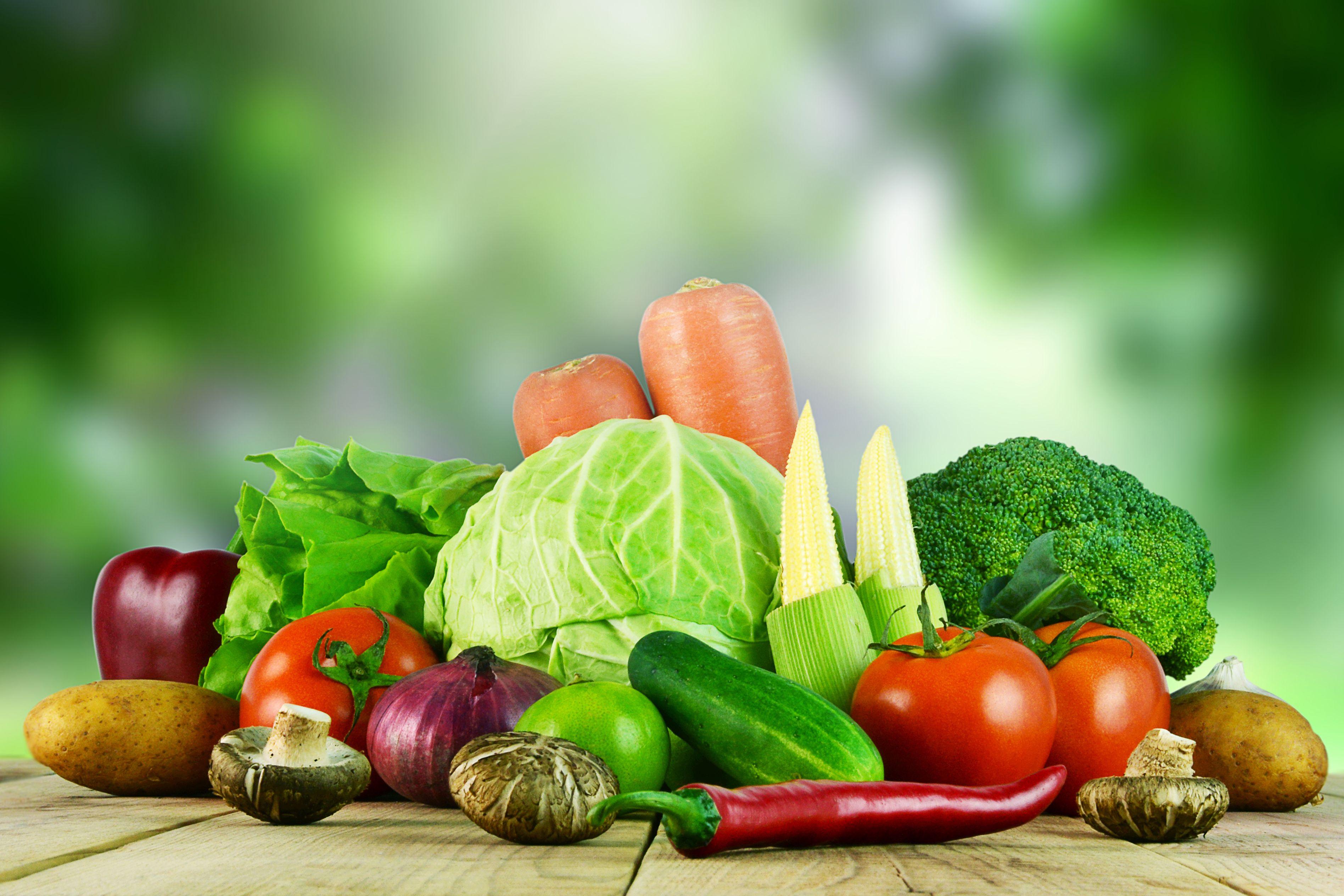
Mastering Ripeness Cues: Ripeness is about texture, aroma, and subtle visual signals. Learn the difference between climacteric fruits, which continue to ripen off the plant, and non-climacteric fruits, which do not. Avocados and peaches should yield to gentle pressure, rebounding slowly without feeling mushy. A creamy field spot and a sweet scent can indicate a good melon; a dull rind on cantaloupe with a fruity aroma is promising. Pineapples should smell fragrant at the base and feel firm, not hollow or spongy. Bananas with light speckling are sweet and versatile. Berries should be dry, richly colored, and free of crushed spots, with no juice pooling in the container. Grapes are best when plump, firmly attached to green stems, and free from shrivel. Leafy greens and herbs should be crisp, with stems that snap rather than bend. Mushrooms do best when dry and matte, not slimy. Trust your senses to judge ripeness, then match purchases to how soon you plan to eat them.
Smart Budgeting in the Produce Aisle: Stretch your produce dollars with planning and savvy comparisons. Start with meal planning, then make a focused list that mixes versatile staples with a few special items. Compare the unit price to assess true value, and weigh whole vs pre-cut options; whole produce usually costs less and lasts longer, while pre-cut can reduce prep time for busy weeks. Buy bulk only if you can freeze, share, or cook ahead to avoid waste. Embrace store brands when quality is comparable, and balance premium picks, like peak berries, with budget-friendly workhorses such as cabbage, carrots, and onions. Cross-utilize ingredients: roast extra vegetables for salads and grain bowls, and transform leftover herbs into chimichurri or pesto. Keep frozen peas, corn, and spinach on hand for reliable, nutrient-rich backups. Track what you actually use and adjust quantities to minimize spoilage. With a mindful approach to value, you can enjoy variety, maintain quality, and keep costs in check.
Storing for Peak Freshness: Proper storage protects flavor and texture while reducing waste. Separate ethylene-producing fruits like apples, bananas, and avocados from ethylene-sensitive items such as leafy greens and berries to slow spoilage. Use your crisper drawers intentionally: high humidity for greens and herbs to retain moisture, low humidity for fruits that prefer dryness. Promote airflow by avoiding overpacking and using breathable or perforated bags. Wrap delicate herbs in a slightly damp towel and store in a container; stand asparagus in a jar with a little water. Keep mushrooms in a paper bag, not plastic. Wash berries just before eating or rinse in a mild vinegar solution, dry thoroughly, and refrigerate in a shallow layer. Ripen firm fruit at room temperature, then move it to the fridge to hold maturity. Label containers, practice FIFO rotation, and prep a portion of your haul for easy use. These habits preserve quality, cut waste, and make meals faster to assemble.
Prep, Safety, and Sustainability: Clean, efficient prep builds confidence and reduces minimal waste. Rinse produce under running water, scrubbing firm-skinned items with a brush, and dry thoroughly for better texture and storage. Practice food safety by using clean boards and knives, and avoid cross-contamination with raw proteins. Peel only when necessary to retain nutrients and fiber; many skins offer flavor and beneficial compounds. Choose methods that protect texture and color, such as steaming, roasting, or quick sautés, and cut uniformly for even cooking. Use edible scraps creatively: turn broccoli stems into slaw, carrot tops into herb sauce, and corn cobs into broth. Compost inedible trimmings when possible to support sustainability. Prep grab-and-go components like washed greens, cut melon, and roasted vegetables to encourage healthy choices. Assemble smoothie packs or fruit salad to save time. A simple routine of wash, dry, store, and label transforms market finds into ready-to-cook building blocks that keep meals fresh, flavorful, and budget friendly.