Your Gut, Your Health: Everyday Steps for Balance
Support digestion, energy, and immunity by feeding your microbiome daily. Simple food, sleep, stress, and movement habits build a balanced gut.
Microbiome Basics
Your gut is a living ecosystem, home to trillions of microorganisms that help power digestion, support the immune system, and influence mood and energy. Think of this community as your microbiome, and aim for diversity rather than perfection. Everyday choices shape it: colorful plants, steady hydration, regular movement, and restorative sleep guide the system toward balance. Favor minimally processed foods and simple cooking methods to let ingredients shine, and approach change gently to reduce discomfort. If you have been eating fewer plants, build up slowly and notice how your body responds. A calmer routine can improve regularity, lessen bloating, and steady appetite signals. Consider how stress, timing of meals, and hurried eating patterns affect your gut, and make small adjustments you can maintain. A diverse plate most days, mindful pauses before meals, and consistent mealtimes help create a steady rhythm that your gut can trust. Over time, these quiet habits encourage resilient, cooperative microbes that work in your favor.
Fiber First
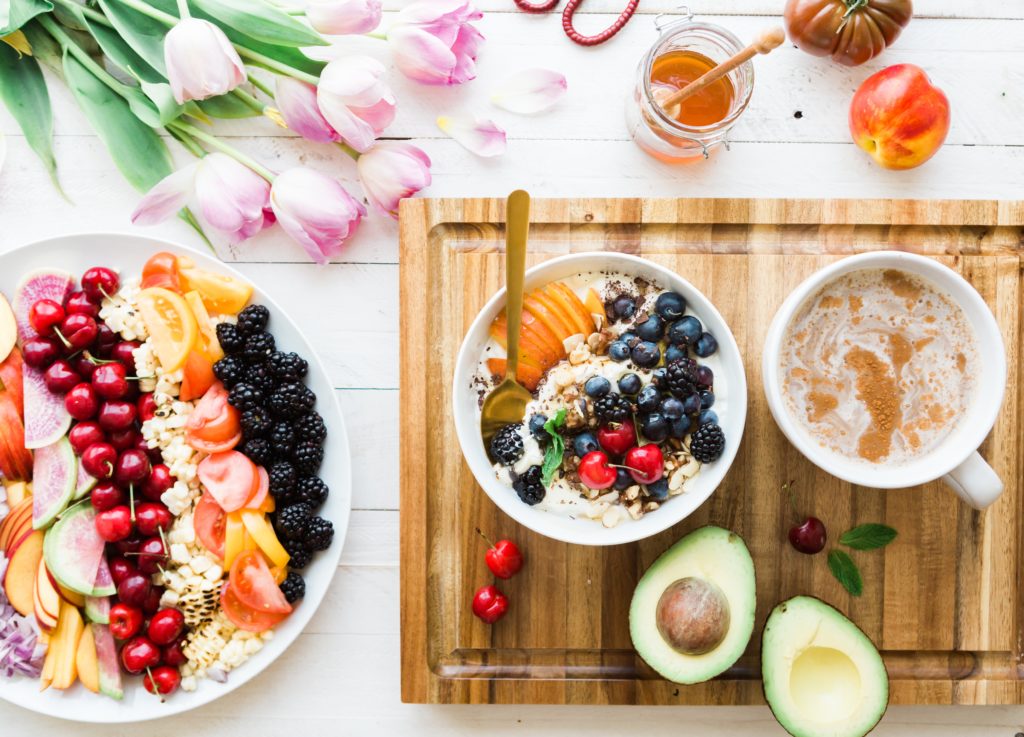
For everyday gut balance, prioritize fiber and prebiotics. Fiber comes in soluble types that form a gentle gel and insoluble types that add satisfying bulk; both are valuable for regularity and satiety. Prebiotics are special fibers that feed beneficial bacteria, encouraging a more adaptable ecosystem. Build meals around produce, legumes, whole grains, nuts, and seeds. Try oats with ground flax and berries, a lentil salad with leafy greens and olive oil, or whole-grain toast piled with avocado, tomatoes, and herbs. Prebiotic-rich options include onions, garlic, leeks, asparagus, green bananas, and chicory root. Increase gradually to give your system time to adjust, and pair higher-fiber meals with steady hydration to keep things moving comfortably. A sprinkle of chia or psyllium can support fullness and texture, while roasted vegetables and bean-based soups make fiber enjoyable. Aim for variety across the week; different fibers feed different microbes, building genuine diversity without restrictive rules.
Fermented Allies
Food-based probiotics deliver living companions that can complement a fiber-rich diet. Look for traditional fermented options with live cultures such as yogurt, kefir, sauerkraut, kimchi, tempeh, miso, and some kombucha. Rotate choices to introduce a broader cast of microbes, and start with small portions to gauge comfort. If you are sensitive to salt, rinse fermented vegetables lightly and balance them with fresh produce. Pairing fermented foods with prebiotics creates a helpful synergy: for instance, yogurt with bananas and oats, or kimchi folded into a brown rice bowl with vegetables. Keep an eye on added sugars in flavored products and favor simpler ingredient lists. Store ferments properly to preserve their active cultures, and enjoy them regularly rather than occasionally. While supplements can be useful for specific needs, everyday fermented foods offer flavor, tradition, and familiarity, making consistency easier. Over time, this pattern supports microbial resilience, helping your gut respond gracefully to daily life.
Stress & Sleep
Your gut and brain are in constant conversation through the gut-brain axis. Stress can alter motility and sensitivity, while poor sleep may amplify cravings and digestive discomfort. Build simple rituals that dial down stress hormones and protect your circadian rhythm. A few slow breaths before meals, a short walk after eating, sunlight exposure during the day, and gentle stretches in the evening can steady your system. Create a wind-down routine: dim lights, limit stimulating media, and cultivate a quiet cue like herbal tea or light reading. Keep your bedroom cool and dark, and aim for regular sleep and wake times so your body anticipates rest. Notice how caffeine, alcohol, and late, heavy meals impact sleep quality and adjust accordingly. When worries crowd the mind, a brief journal session can offload thoughts. These low-effort practices calm the nervous system, reduce digestive strain, and make space for more comfortable, predictable rhythms.
Move & Hydrate
Movement is a natural nudge for gut motility, supporting comfortable digestion and regularity. Choose what you enjoy and can repeat: brisk walks, cycling, yoga, dancing, or strength sessions all count. Micro-movements help too; a short stroll after meals or a few stretches between tasks can be surprisingly effective. Pair movement with steady hydration, which cushions digestion and keeps fiber working smoothly. Sip water throughout the day, add a squeeze of citrus, or rotate in unsweetened herbal infusions. Include hydrating foods like cucumbers, citrus, berries, and broth-based soups. Balance fluids with light electrolytes from everyday foods such as leafy greens, nuts, seeds, and a pinch of salt when active. Create gentle anchors—fill a bottle first thing, leave comfortable shoes by the door, or set a reminder for a midday walk. Regular movement and mindful fluids, practiced consistently, encourage peristalsis, reduce sluggishness, and support a calm, reliable digestive rhythm.
Mindful Eating
How you eat can be as influential as what you eat. Mindful eating helps align appetite signals with your gut's needs. Sit down, minimize distractions, and take a few deep breaths before the first bite. Chew thoroughly to assist digestion and notice flavors, textures, and fullness cues. Pace the meal so your body has time to register satisfaction. If certain foods seem to cause discomfort, keep a simple food diary to track timing, portions, and symptoms rather than making abrupt cuts. Distinguish between intolerances and allergies, and seek guidance if needed. Remember that medications, including antibiotics, can shift microbial balance; focus on gentle meals, fermented foods, and fibers as you recover. Instead of strict lists, think in terms of personal thresholds and how foods interact—sometimes quantity, speed of eating, or stress level matters as much as the ingredient itself. With practice, mindful choices reduce guesswork and turn meals into steady support for your gut.
Lasting Habits
Sustainable gut health rests on consistency, not intensity. Choose one or two small wins—adding a plant to each meal, walking after lunch, or including a fermented food several times a week—and build from there. Use habit stacking by pairing new actions with existing routines: water after brushing teeth, stretches while the kettle heats, or prepping vegetables when you unpack groceries. Keep simple staples on hand—beans, whole grains, frozen vegetables, nuts, seeds, herbs, and plain yogurt—to make balanced choices effortless. Track meaningful signals of progress such as comfort after meals, energy stability, and regularity. If you notice persistent bloating, irregular stools, or skin fluctuations, adjust fiber variety, hydration, and stress practices, and consider professional input when appropriate. Be flexible during travel, celebrations, and busy seasons; return to basics at the next meal. With patience, these modest, repeatable steps create durable resilience and a gut environment that supports your whole-body health.