Zero-Waste Tips for Your Next Grocery Run
Shrink packaging, save money, and keep food fresher with practical zero-waste grocery tips: plan meals, buy in bulk, use reusables, and store smart.
Plan With Purpose. A zero-waste grocery run starts long before you reach the aisles. Begin by taking a swift inventory of your pantry, fridge, and freezer, noting what is left and what truly needs replenishing. Build a practical shopping list around a simple meal planning outline: breakfasts, grab and go lunches, and a few dinners that share overlapping ingredients. Choose seasonal produce and versatile staples so leftover carrots, greens, or grains slide easily into soups, stir fries, or salads. Estimate portion sizes for the people you cook for, and consider the time you realistically have to prep. If your week is busy, focus on quick proteins, pre soaked legumes, and sturdy veggies that hold up. Organize the list by store sections to reduce wandering and impulse grabs. Add notes for bulk codes and containers you will bring. A minute of planning prevents overbuying, saves money, and keeps edible food out of the bin.
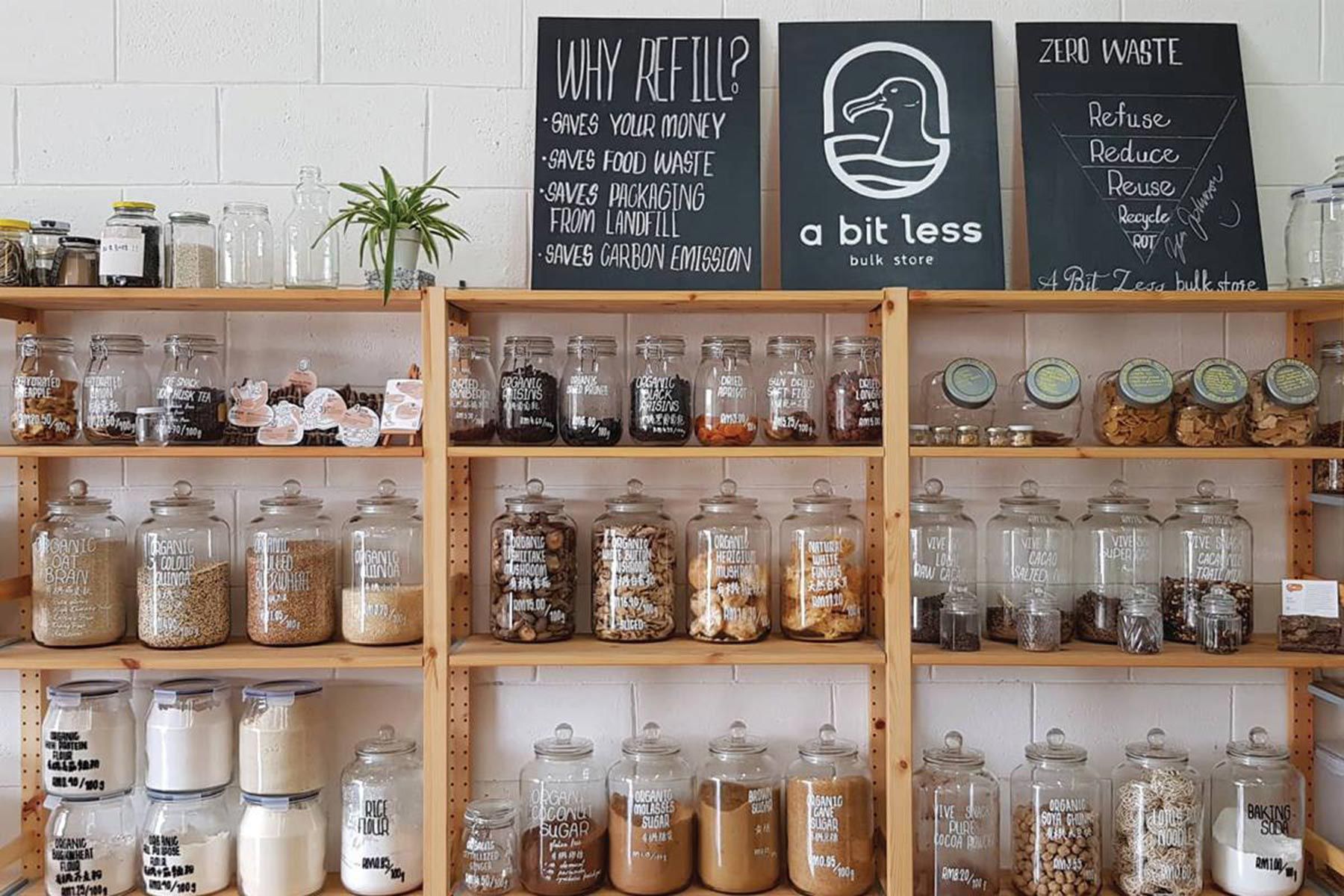
Pack a Reuse Kit. Bring a compact set of reusable bags, mesh produce bags, and clean containers or jars with lids. Weigh and mark the tare on each container at home with a pencil or tape so checkout is smooth. Slip a wax pencil or chalk marker into the kit to write bulk codes. Keep the set in your car, bike basket, or backpack so forgetting is unlikely. Choose lightweight cloth for produce and sturdier totes for heavy items like jars and potatoes. If your store allows it, present containers politely at the deli or bakery; a friendly greeting and a clear tare label make it easy for staff. After shopping, wash, dry, and restock the kit immediately so it is always ready. Add a foldable cup, cutlery, and a small napkin to avoid single use extras during taste demos or cafe stops. Reusables reduce packaging waste and prevent clutter at home.
Shop Smart in Bulk and Season. Bulk is powerful when used thoughtfully. Choose bulk bins for grains, beans, nuts, spices, and snacks, scooping only what you can finish before quality declines. Compare unit pricing to ensure the bulk option is actually the best value, and remember that buying less can still be cheaper if it prevents waste. Favor seasonal fruits and vegetables for freshness, flavor, and fewer travel miles, then build meals around what looks abundant. Pick versatile staples that work across cuisines, like rice, lentils, oats, and seeds, and adjust quantities to your household size. Try a small test amount of a new ingredient before committing to a large jar. Rotate stocks with FIFO practices so the oldest items get used first. If a package size is unavoidable, partner with a neighbor to split it. Thoughtful bulk buying trims cost, cuts packaging, and supports a steady, low waste pantry.
Prioritize Low-Impact Packaging. When packaging is unavoidable, choose materials that are easier to recycle or reuse. Glass and metal are durable, readily reusable, and often recyclable, while paper and cardboard are widely accepted when clean and dry. Prefer loose produce over clamshells, and skip highly packaged pre-cut items unless access needs require them. Seek concentrates, refills, and larger formats for shelf stable goods you use regularly, transferring them to home containers. For dairy, sauces, or pantry items, pick brands that offer minimal packaging, sturdy jars, or returnable options when available. Avoid single use sachets that create piles of micro trash. If you must choose plastic, look for thicker containers that can live a second life for storage or crafts, and avoid mixing material types that complicate recycling. Read labels for clear material codes, and keep caps with bottles when local guidelines suggest. Mindful choices shrink your waste footprint without sacrificing convenience.
Store, Cook, and Compost Wisely. After checkout, the zero waste work continues at home. Use proper storage to extend freshness: leafy greens wrapped in a damp towel, herbs in a jar of water, carrots and celery submerged to keep snap, bread stored at room temperature and frozen in slices for later. Batch wash produce and pre chop a few items to speed midweek cooking. Practice prep once, eat twice by roasting extra vegetables, simmering a double pot of beans, or cooking grains for multiple meals. Embrace zero waste cooking: turn stems into pesto, peels into crisps, and bones or trimmings into stock. Label and freeze portions in jars with headspace to prevent cracks. Track what lingers in the fridge with a simple list and schedule a weekly catch all meal. Feed scraps you cannot eat to a compost system, and share surplus food with friends or neighbors to keep nourishment cycling.